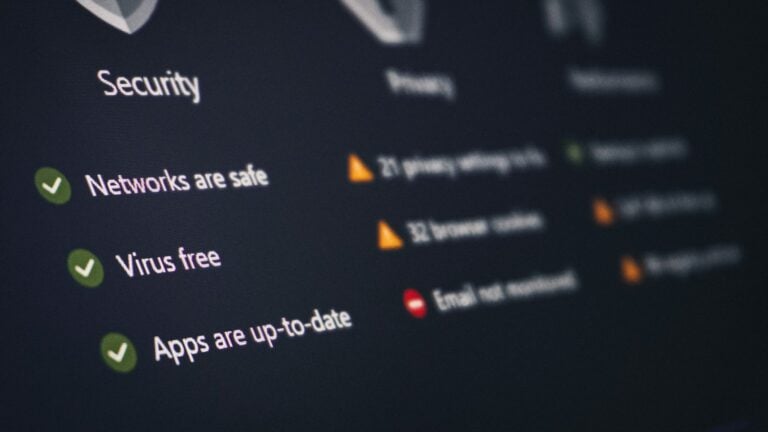
Understanding the Importance of Cyber Hygiene
Cyber hygiene refers to the basic steps that organizations
take to maintain system health and improve online security.
For small businesses, implementing a robust cybersecurity
protocol can seem daunting. However, establishing strong cyber
hygiene is not just a necessity but a strategic advantage.
Small businesses often lack the extensive IT resources of
larger organizations, making them attractive targets for
cybercriminals. By following essential cybersecurity
practices, you can protect your business from potential
threats and data breaches.
Implementing Regular Software Updates
One of the most straightforward yet critical steps in
improving cybersecurity is keeping all software up-to-date.
Software updates often contain patches for vulnerabilities
that could be exploited by hackers. An example would be the
infamous WannaCry ransomware attack in 2017, which affected
systems running outdated versions of Windows.
Automated Update Scheduling
Many operating systems and applications allow you to schedule
automatic updates. Setting these to occur during off-peak
hours can minimize disruptions to your operations. For Windows
users, enabling ‘Automatic Updates’ ensures the system
installs security patches as soon as they are released.
Employee Training on Phishing Awareness
Phishing attacks remain one of the most common methods for
cybercriminals to gain unauthorized access to information.
Training employees to recognize phishing emails is crucial in
maintaining cybersecurity.
Conducting Regular Workshops
Small businesses should hold quarterly workshops to educate
employees about the latest phishing tactics. Provide examples
of phishing attempts, highlighting red flags such as
misspelled domain names, suspicious attachments, and
unsolicited requests for sensitive information.
-
Interactive Training Modules: Utilize
interactive modules that simulate phishing attacks and
provide immediate feedback. -
Gamified Learning: Introduce gamification
elements, like quizzes and badges, to make learning engaging
and effective.
Establishing Strong Password Policies
Password security is often overlooked but is a critical aspect
of protecting business data. Implementing a strong password
policy within your organization helps prevent unauthorized
access.
Password Management Tools
Encourage the use of password managers, such as LastPass or
Bitwarden, which help employees generate and store complex
passwords securely. A strong password typically includes a mix
of uppercase letters, lowercase letters, numbers, and symbols.
Utilizing Multi-Factor Authentication (MFA)
MFA provides an additional layer of security beyond just
passwords. It typically requires two or more verification
methods such as a code sent to a mobile device, a fingerprint
scan, or a facial recognition step.
Implementing MFA Across Applications
Ensure that all critical systems and applications support MFA.
Popular services like Google Workspace and Microsoft 365 offer
built-in MFA options that are easy to set up and manage.
Regular Data Backups
A comprehensive backup strategy ensures that your business can
recover from data loss incidents like cyberattacks or hardware
failures. Backups should be frequent and stored securely.
Choosing the Right Backup Solution
For small businesses, cloud-based backup solutions such as
Acronis or Backblaze offer reliability and scalability. It is
essential to perform backups at least once a week and keep
copies offsite in a secure location.
Network Security Measures
Your network is often the first line of defense against cyber
threats. Implementing network security measures helps protect
sensitive data as it travels through your infrastructure.
Installing Firewalls
A firewall monitors incoming and outgoing network traffic
based on predetermined security rules. Most modern operating
systems come with built-in firewalls; however, it’s advisable
to install additional hardware-based firewalls for added
protection.
-
Network Segmentation: Divide your network
into segments to limit access to sensitive areas and
minimize the impact of breaches. -
Secure Wi-Fi: Ensure Wi-Fi networks are
encrypted (WPA3) and hidden from public view by disabling
SSID broadcasting.
Conducting Regular Security Audits
Security audits involve a thorough review of your systems and
practices to identify vulnerabilities and areas for
improvement. They are vital in maintaining up-to-date security
protocols.
Hiring Professional Services
Consider hiring cybersecurity professionals to perform audits
and vulnerability assessments regularly. These experts can
provide insights into potential weaknesses you may have
overlooked.
Cybersecurity Insurance
As cyber threats become more sophisticated, having
cybersecurity insurance can provide financial protection
against losses due to data breaches or other cybersecurity
incidents.
Selecting the Right Policy
When choosing cybersecurity insurance, ensure it covers key
areas such as data breaches, system failure, and extortion
demands. Consult with a broker who specializes in cyber
insurance for small businesses to find the best coverage for
your needs.
Cultivating a Security-First Culture
Ultimately, fostering an organizational culture that
prioritizes security is essential. Employees should understand
that cybersecurity is everyone’s responsibility—not just the
IT department’s.
Promoting Security Awareness
Create a security awareness program that includes regular
communications from leadership highlighting the importance of
cybersecurity practices. Celebrate achievements and share
stories of successful threat mitigations within the company.
By incorporating these essential steps into your daily
operations, small businesses can significantly improve their
cybersecurity posture. Each measure builds upon the last,
creating a multi-layered defense system designed to protect
against increasingly complex cyber threats.