The Role of AI in Predictive Maintenance
Manufacturing is a sector that relies heavily on the reliability and efficiency of its machinery. Over the years, predictive maintenance has emerged as a critical strategy to improve these metrics. By anticipating equipment failures before they happen, manufacturers can significantly reduce downtime and increase operational efficiency. The advent of artificial intelligence (AI) has revolutionized predictive maintenance by offering unprecedented accuracy in failure predictions.
Understanding Predictive Maintenance
Predictive maintenance involves monitoring the condition of machinery during normal operation to reduce the likelihood of failures. Unlike reactive maintenance, which only occurs after equipment breaks down, or preventive maintenance, which follows a set schedule regardless of equipment condition, predictive maintenance uses data-driven insights to predict failures. This approach can save significant costs by minimizing unexpected downtimes and prolonging equipment life.
Case Study 1: Implementing AI in Automotive Manufacturing
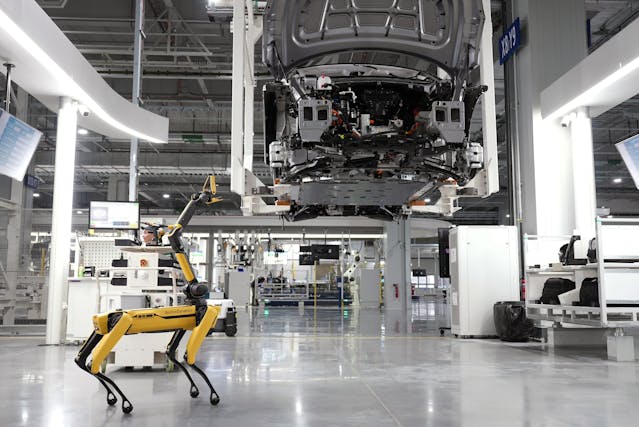
An automotive manufacturer recently adopted AI-enhanced predictive maintenance in their production line. By deploying machine learning algorithms, they analyzed data from various sensors installed on assembly line robots. This data included temperature, vibration levels, and operational speed.
- Data Collection: Sensors continuously collected real-time data from machines.
- Data Analysis: Machine learning models processed the data to identify patterns associated with normal versus abnormal operations.
- Prediction: The AI system predicted potential failures by comparing current data with historical patterns, allowing the maintenance team to intervene before breakdowns occurred.
As a result, the manufacturer observed a 30% reduction in unplanned downtime and a substantial decrease in maintenance costs. This case highlights how AI can provide actionable insights that traditional methods might miss.
Case Study 2: AI in Chemical Manufacturing Operations
A chemical plant faced frequent equipment failures leading to hazardous situations and financial losses. They integrated an AI-driven predictive maintenance platform to monitor critical systems like pumps and compressors.
Workflow
- Sensor Integration: Critical points across the plant were equipped with IoT sensors to capture vital parameters such as pressure and flow rates.
- Machine Learning Models: These sensors fed into machine learning models trained to recognize patterns indicative of impending failures.
- Maintenance Alerts: Whenever the models detected anomalies, alerts were automatically sent to the engineering team for immediate action.
This implementation resulted in a safer working environment by preventing accidents and reducing unexpected downtimes by 25%. Additionally, it provided engineers with a more profound understanding of equipment behavior under different conditions, helping them optimize operational settings.
Pros and Cons of Using AI for Predictive Maintenance
While AI-enhanced predictive maintenance offers numerous benefits, it also comes with challenges. Here's a balanced view:
Advantages
- Accuracy: Machine learning algorithms provide highly accurate predictions compared to traditional methods.
- Cost Savings: By reducing unplanned downtimes and extending equipment life, AI can lead to significant cost savings.
- Efficiency: AI streamlines maintenance workflows by predicting failures before they occur, optimizing resource allocation.
Disadvantages
- Initial Investment: The upfront costs for AI systems, including sensor deployment and training machine learning models, can be high.
- Data Dependence: The efficacy of AI models depends on high-quality data; poor data can lead to inaccurate predictions.
- Complexity: Implementing and maintaining an AI system requires skilled personnel, adding to operational complexity.
Selecting the Right Approach
The choice between implementing an AI-based predictive maintenance system or sticking with traditional methods depends on several factors:
- Scale of Operations: Larger operations may benefit more from AI due to its ability to process vast amounts of data efficiently.
- Budget Constraints: Organizations with limited budgets may opt for simpler systems initially but should consider long-term cost benefits of AI.
- Data Infrastructure: Companies with existing robust data collection frameworks are better positioned to integrate AI solutions effectively.
Practical Tips for Implementation
If you're considering integrating AI into your predictive maintenance strategy, here are some practical steps to guide you:
- Conduct a Feasibility Study: Assess your current maintenance processes and identify areas where AI could add value.
- Pilot Testing: Start small with a pilot project focusing on critical equipment to gauge effectiveness before scaling up.
- Invest in Training: Equip your team with the necessary skills to manage and maintain AI systems.
By carefully planning and executing these steps, manufacturers can harness the full potential of AI to transform their maintenance strategies and achieve greater operational reliability.