The Growing Threat of Phishing in the Business World
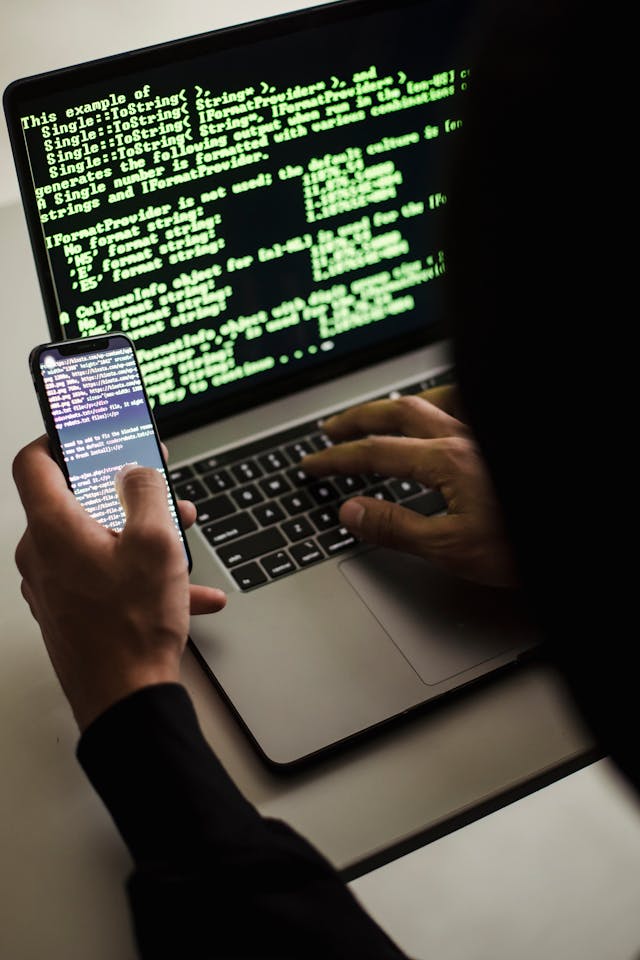
In recent years, phishing attacks have become increasingly sophisticated and prevalent, posing significant challenges to organizations worldwide. These malicious attempts often disguise themselves as legitimate communications, aiming to deceive individuals into revealing sensitive information such as login credentials and financial details. Despite advances in cybersecurity measures, phishing remains a top concern for IT security teams across various industries.
Case Study: The 2021 Facebook Phishing Attack
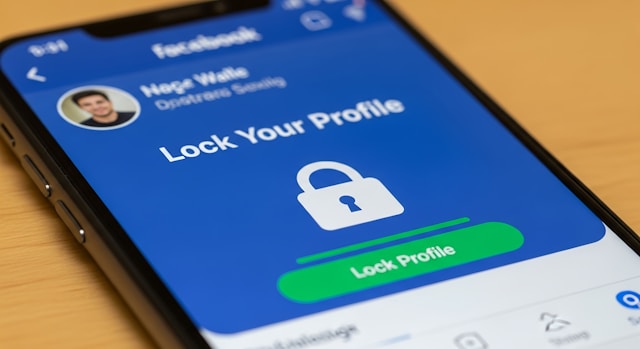
In April 2021, Facebook experienced a phishing attack that highlighted the vulnerabilities even large corporations face. Attackers masqueraded as company executives and targeted employees with fraudulent emails requesting login information. As a result, several employee accounts were compromised, granting attackers access to sensitive internal information and customer data.
The breach prompted Facebook to reassess its cybersecurity strategy. The company quickly implemented additional layers of verification, such as multi-factor authentication (MFA), to reduce the likelihood of future breaches. This incident underscored the importance of regular security training and the implementation of stringent access controls.
Analyzing the Impact of Phishing Attacks on Business Resilience
Phishing attacks can have far-reaching implications for businesses, including financial losses, reputational damage, and regulatory penalties. Understanding these impacts is crucial for developing effective response strategies.
- Financial Losses: The immediate cost of a phishing attack includes funds stolen directly from compromised accounts and the expenses associated with remediating the breach. Over time, these costs can escalate as businesses invest in enhanced security measures to prevent future incidents.
- Reputational Damage: The loss of customer trust following a phishing attack can be devastating. Customers expect businesses to protect their personal information, and a breach can lead to a loss of clientele and decreased market share.
- Regulatory Penalties: Businesses that fail to protect customer data may face fines from regulatory bodies. For instance, under the General Data Protection Regulation (GDPR), companies can incur substantial penalties for failing to safeguard personal data.
Case Study: Google and the 2017 DocuPhish Scam
In 2017, Google faced one of its most notable phishing attacks when hackers launched a scam involving fake Google Docs invitations. Users who clicked on the link were prompted to grant permissions to a fraudulent third-party application, giving attackers access to victims’ email accounts.
This incident highlighted the vulnerability of cloud-based services and prompted Google to improve its user consent permissions and alert mechanisms for suspicious activity. The incident also led to heightened awareness among users regarding the risks associated with unsolicited email invitations.
Strategies for Enhancing Cybersecurity Resilience
To bolster resilience against phishing attacks, organizations must adopt comprehensive security strategies that combine technology, processes, and people.
Implementing Multi-Factor Authentication (MFA)
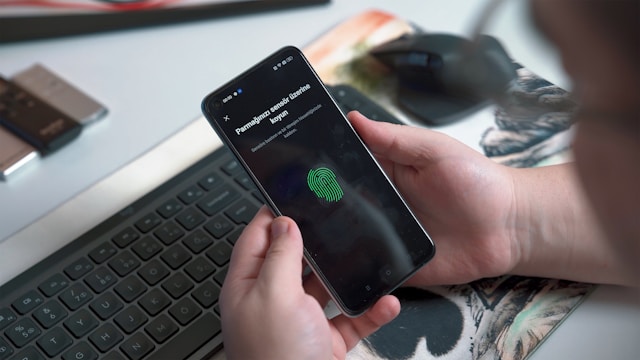
MFA is a crucial defense mechanism against phishing attacks. By requiring users to provide two or more verification factors, such as a password and a temporary code sent to their mobile device, businesses can significantly reduce the risk of unauthorized access.
For example, after the Facebook phishing attack, implementing MFA became standard practice within the organization. This additional layer of security helps ensure that even if credentials are compromised, attackers cannot easily access sensitive systems.
Conducting Regular Security Awareness Training
Educating employees about the tactics used in phishing attacks is essential for maintaining a strong security posture. Regular training sessions can help staff recognize suspicious emails and avoid falling victim to scams.
Companies like IBM have invested heavily in interactive training modules that simulate real-world phishing scenarios, allowing employees to practice identifying and responding to potential threats in a controlled environment.
Utilizing Advanced Email Filtering Solutions
Email filtering tools can identify and block phishing emails before they reach employees' inboxes. These solutions use machine learning algorithms to detect suspicious patterns and content associated with phishing attempts.
For instance, Microsoft’s Office 365 Advanced Threat Protection employs such technology to scan emails in real-time, preventing many phishing attempts from reaching end-users.
Establishing Incident Response Protocols
Having a well-defined incident response plan is vital for minimizing damage when a phishing attack occurs. This plan should outline clear roles and responsibilities for team members and steps for containing the breach and mitigating its impact.
An effective incident response protocol helped JPMorgan Chase quickly contain a major phishing attack in 2019, limiting its impact on customers and protecting valuable data assets.
Conclusion: Building a Culture of Security Awareness
The lessons learned from these case studies emphasize that no organization is immune to phishing threats. However, by implementing robust cybersecurity strategies and fostering a culture of security awareness, businesses can significantly enhance their resilience against these attacks.
The key takeaway is that cybersecurity is not solely an IT issue but an organizational one. By investing in comprehensive education programs, deploying advanced technologies, and maintaining vigilant monitoring practices, companies can better protect themselves and their stakeholders from the ever-evolving threat landscape of phishing attacks.