Understanding Multi-Factor Authentication (MFA)
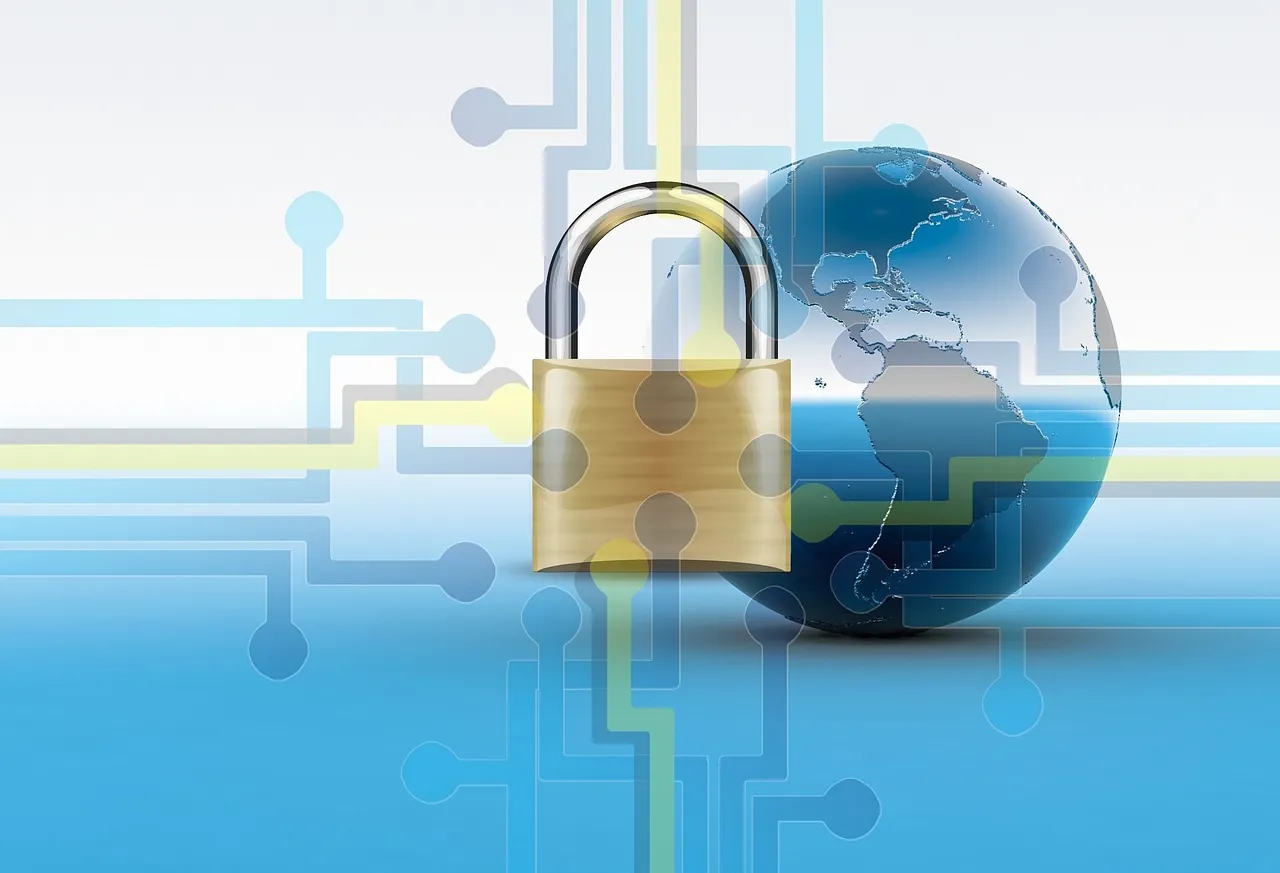
In today's digital landscape, safeguarding sensitive information is a critical priority for businesses. Multi-Factor Authentication (MFA) has emerged as a powerful tool to enhance security by requiring multiple forms of verification before granting access to systems and data. By combining something the user knows (password), something the user has (a phone or token), and something the user is (biometric verification), MFA significantly reduces the risk of unauthorized access.
Assessing Current Security Measures
Before implementing MFA, businesses should conduct a comprehensive review of their existing security protocols. This evaluation will help identify vulnerabilities and determine how MFA can best be integrated into the current system. Key steps in this process include:
- Risk Assessment: Evaluate potential threats and vulnerabilities within the organization's digital infrastructure.
- Security Audit: Conduct an audit to assess existing security measures and identify gaps that MFA can fill.
- Data Sensitivity Analysis: Determine which data and systems are most critical and would benefit most from enhanced security measures like MFA.
Selecting Suitable MFA Tools
Choosing the right MFA solution is crucial for ensuring both security and usability. The selection process should consider factors such as cost, ease of integration, and user experience. Below are some popular MFA solutions and their trade-offs:
- SMS-based Authentication: While easy to implement, SMS-based authentication can be vulnerable to SIM-swapping attacks.
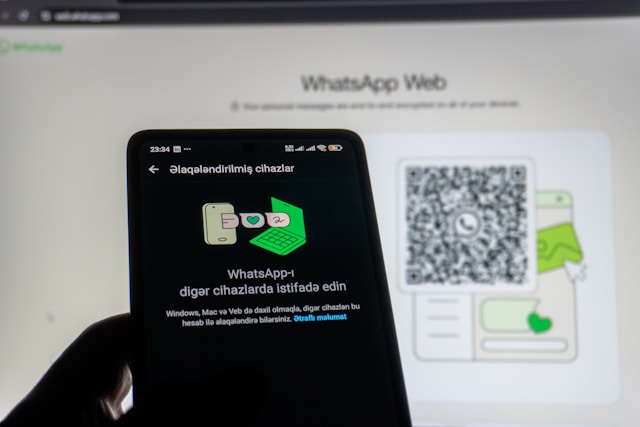
- Authenticator Apps: Apps like Google Authenticator or Authy provide a more secure option than SMS, generating time-based codes for verification.
- Hardware Tokens: Devices like YubiKey offer robust security but may incur higher costs for hardware acquisition and management.
- Biometric Authentication: Fingerprint or facial recognition provides a high level of security but requires compatible hardware and software integration.
Implementing MFA Solutions
The implementation of an MFA solution should be strategic and phased, considering user readiness and technical feasibility. The following steps outline a typical implementation process:
1. Define Scope and Objectives
Identify which systems and data need MFA protection. Set clear objectives for what the MFA implementation aims to achieve in terms of security enhancement.
2. Develop an Implementation Plan
Create a detailed plan that outlines timelines, responsible parties, and key milestones for rolling out the MFA solution.
3. Pilot Testing
Select a group of users to test the MFA solution in a controlled environment. Gather feedback on usability and address any issues before full-scale deployment.
4. User Training and Awareness
Conduct training sessions to educate users about the new authentication process. Highlight the importance of MFA in protecting organizational assets and guide them through setup processes.
5. Full Deployment
Once pilot testing is successful, proceed with a full deployment across the organization. Monitor adoption rates and address any user concerns promptly.
MFA Integration Best Practices
For successful MFA integration, consider adopting these best practices:
- User-Centric Design: Ensure that the MFA solution is intuitive and does not hinder user productivity.
- Regular Updates: Keep all components of the MFA system updated to protect against newly discovered vulnerabilities.
- Layered Security: Combine MFA with other security measures such as firewalls and intrusion detection systems for comprehensive protection.
The Future of MFA
MFA technology continues to evolve, incorporating advancements like behavioral biometrics and AI-driven threat detection. These innovations aim to enhance security while maintaining user convenience. Businesses should stay informed about these developments to adapt their security strategies accordingly.
Conclusion
Implementing Multi-Factor Authentication is a significant step towards fortifying your business's cybersecurity posture. By carefully assessing current security measures, selecting appropriate tools, and strategically deploying them, organizations can effectively mitigate risks associated with unauthorized access. As technology advances, staying informed about new MFA technologies will ensure your organization remains resilient against evolving cyber threats.