The Evolution of Wearable Technology
Wearable technology has advanced significantly over the past decade, evolving from simple step counters to sophisticated multi-functional devices capable of monitoring a wide range of health metrics. These gadgets now incorporate features like heart rate monitoring, GPS tracking, sleep analysis, and fitness coaching, which have profoundly impacted how individuals approach their fitness routines.
The introduction of smart wearables, such as fitness bands and smartwatches, has enabled users to engage in personalized health monitoring. The convenience and accessibility offered by these devices have made them integral to many people's daily lives.
Heart Rate Tracking: The Foundation of Modern Fitness Wearables
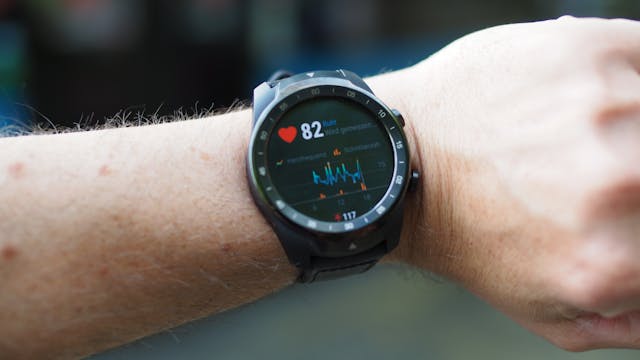
Heart rate tracking is one of the core features of fitness wearables. It provides real-time data that helps users understand their cardiovascular health. By analyzing variations in heart rate during exercise, users can adjust their workout intensity to ensure they're training within optimal zones for improving endurance and burning fat.
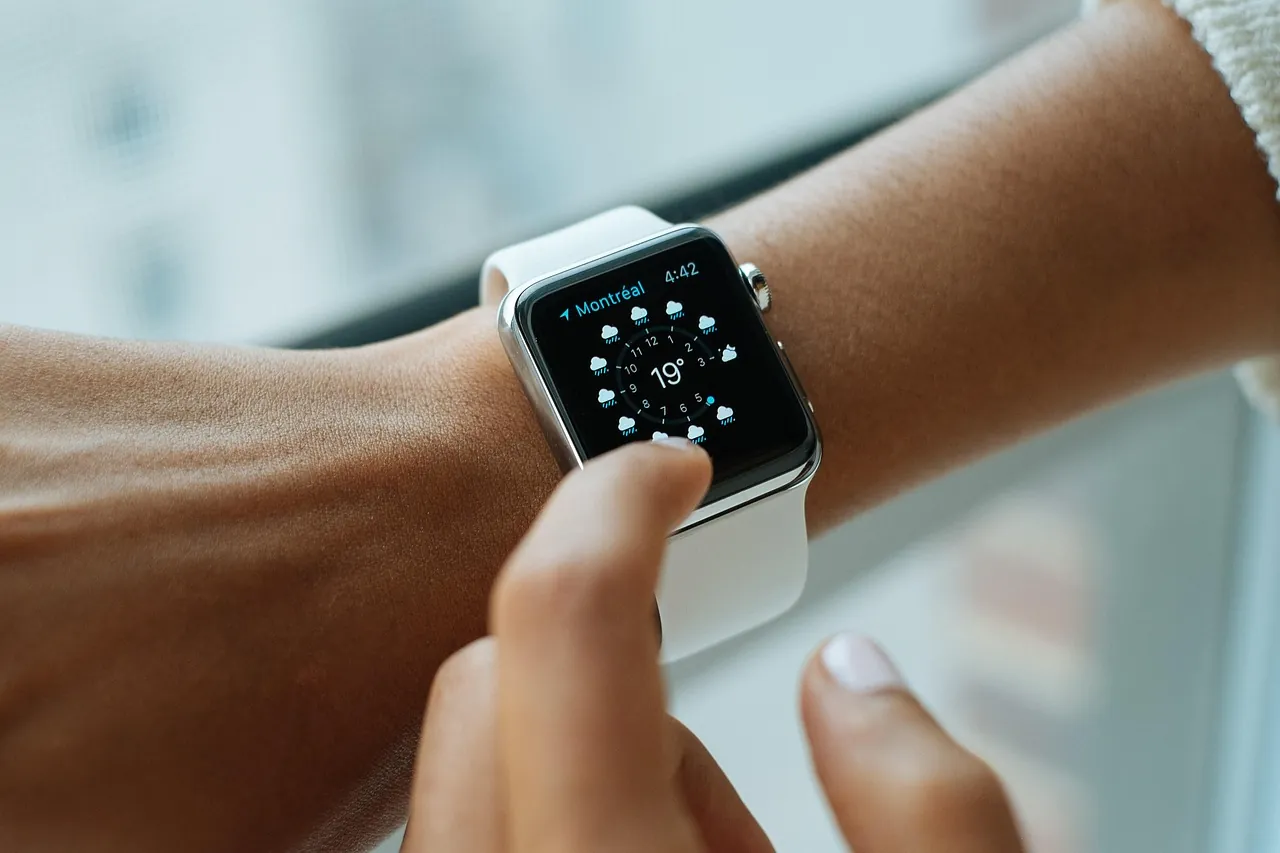
For example, the Apple Watch uses photoplethysmography (PPG) sensors to monitor blood flow through the wrist. These sensors emit green LED light paired with light-sensitive photodiodes to detect the amount of blood flowing through the wrist, thereby calculating heart rate. Similarly, devices like the Fitbit Charge series utilize optical heart rate monitors that operate on the same principle.
Fitness Coaching: Personalized Workout Guidance
Fitness coaching features in wearables provide users with dynamic workout suggestions tailored to their current fitness levels and goals. This guidance can include a variety of exercise routines, from high-intensity interval training (HIIT) to yoga and meditation sessions.
Garmin's Coach feature, for instance, offers adaptive training plans that adjust based on user performance and progress. These plans are designed by professional coaches and take into account the user's historical data to offer realistic goals. The inclusion of video tutorials and guided sessions can also enhance the user's understanding of new exercises.
Integration with Fitness Apps
Most wearables integrate seamlessly with fitness apps like Strava, MyFitnessPal, and Nike Training Club. This connectivity allows for comprehensive data analysis and tracking over time. Users can set personalized goals, track their nutrition intake, and analyze performance metrics in greater depth. Furthermore, these apps often offer community features where users can share achievements and gain motivation from others.
The Role of Data Accuracy in User Experience
Accuracy is crucial when it comes to health-related data. Wearable manufacturers continuously improve sensor technology and algorithms to enhance data reliability. However, several factors can affect accuracy:
- Sensor Placement: Proper placement of the device is vital. Misalignment can lead to inaccurate readings.
- Environmental Conditions: Temperature, humidity, and lighting can impact sensor performance.
- User Movement: Intense or rapid movement might cause discrepancies in data collection.
Despite these challenges, most modern wearables offer reasonably accurate measurements that are sufficient for general fitness tracking purposes.
Trade-offs: Privacy and Data Security Concerns
While wearables offer numerous benefits, they also raise privacy and data security concerns. The continuous collection and storage of personal health data make these devices appealing targets for cyber threats. Issues like unauthorized data access or breaches can compromise user information.
Mitigating Privacy Risks
To address these issues, manufacturers implement various security measures:
- Data Encryption: Ensuring that all transmitted and stored data is encrypted protects against unauthorized access.
- Two-Factor Authentication (2FA): Adding an additional verification step enhances account security.
- User Consent: Clear user agreements about data collection and sharing policies help users make informed choices.
Users should remain vigilant by regularly updating their devices and reviewing privacy settings within associated apps.
The Impact on Exercise Routines
The integration of advanced features in wearables has led to more informed exercise routines. Users now have access to detailed insights into their physical activities and overall health metrics. These insights allow for better-informed decisions regarding workout intensities and recovery periods.
A Shift Towards Personalized Fitness
The ability to personalize workouts based on individual metrics encourages sustainable fitness practices. Instead of following generic workout plans, users can tailor their routines to suit personal preferences and physiological responses. This personalization promotes greater adherence to fitness regimens as users feel more connected to their progress.
Future Developments in Wearable Technology
The future holds exciting possibilities for wearable technology as manufacturers continue to innovate. Emerging trends such as the use of machine learning algorithms to predict health patterns could lead to even more personalized coaching experiences. Moreover, developments in material science might result in more comfortable and unobtrusive designs.
While the current state of wearable tech offers a multitude of features that significantly enhance fitness routines, continuous advancements promise further improvements in user experience, making wearables an indispensable part of future personal health management strategies.