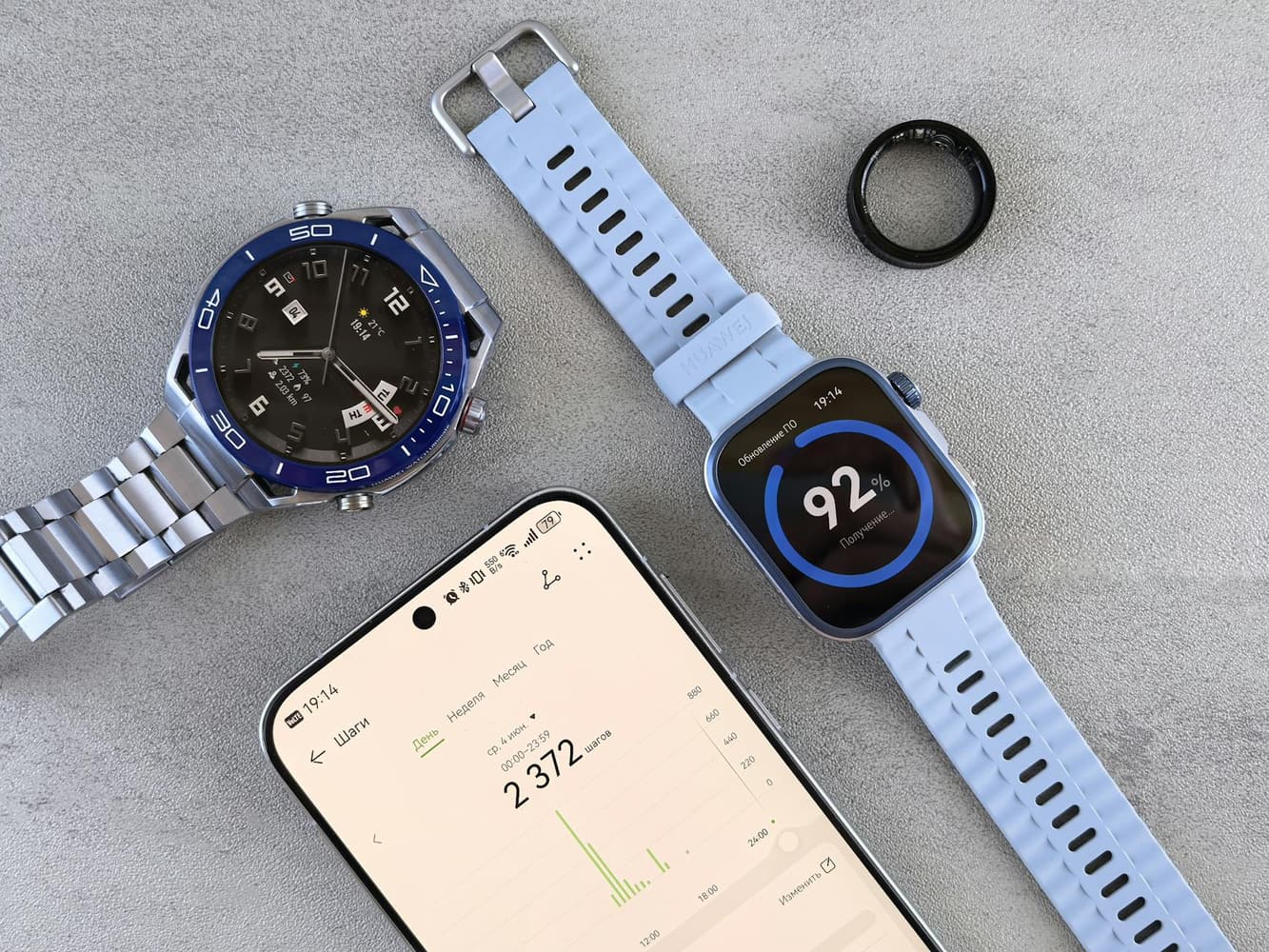
Understanding the Basics: Smartwatches vs. Fitness Trackers
In the evolving landscape of wearable technology, smartwatches and fitness trackers have emerged as pivotal tools for health monitoring. While both devices are designed to offer insights into physical activity and health, they cater to different user needs and preferences. This article will delve into the unique features, benefits, and drawbacks of each, helping you decide which device aligns best with your lifestyle.
Smartwatches: The All-In-One Gadget
Smartwatches are versatile devices that go beyond health tracking to include a range of functionalities similar to those of a smartphone. They typically feature touchscreens and can run various apps, provide notifications, and even allow for voice calls.
- Health Monitoring: Most smartwatches come equipped with heart rate monitors, step counters, and sleep tracking capabilities. Advanced models also offer ECG readings and blood oxygen monitoring.
- Connectivity: A significant advantage of smartwatches is their ability to sync seamlessly with smartphones, allowing users to receive notifications, messages, and calls directly on their wrist.
- Customization: With a plethora of apps available, smartwatches can be customized for productivity, navigation, or entertainment, in addition to fitness tracking.
However, smartwatches often come at a higher price point and may require more frequent charging due to their enhanced functionality.
Fitness Trackers: Focused and Functional
Fitness trackers are dedicated devices designed primarily to monitor physical activity and health metrics. They are generally smaller, lighter, and more affordable than smartwatches.
- Simplicity: Fitness trackers excel in delivering straightforward health insights. They track steps, calories burned, heart rate, and sleep patterns with high accuracy.
- Battery Life: Due to their limited scope of functionality compared to smartwatches, fitness trackers often boast longer battery life, making them ideal for users who dislike frequent charging.
- Affordability: Generally more budget-friendly, fitness trackers are a great option for users who want essential health data without extra frills.
The downside is that fitness trackers typically lack the advanced connectivity features found in smartwatches.
When to Choose a Smartwatch
If your lifestyle involves juggling multiple tasks and you want a device that acts as an extension of your smartphone, a smartwatch might be the right choice. For individuals who value advanced health monitoring features such as ECG and SpO2 sensors alongside communication capabilities, investing in a smartwatch makes sense. Additionally, for tech enthusiasts who enjoy experimenting with different apps and functions on a compact device, smartwatches offer a broad platform for personalization.
When to Opt for a Fitness Tracker
A fitness tracker is ideal for individuals whose primary focus is monitoring their physical activity without the distraction of additional features. It's particularly suitable for athletes or casual exercisers who need reliable tracking metrics without constantly recharging their device. Moreover, for those on a budget or new to wearable tech, fitness trackers provide a cost-effective entry point.
Conclusion: Making the Right Choice for Your Needs
Your choice between a smartwatch and a fitness tracker should ultimately depend on your individual needs and lifestyle. If you seek comprehensive functionality beyond health monitoring and are willing to invest more for these features, a smartwatch is likely the better fit. Conversely, if you prefer simplicity, longer battery life, and affordability while focusing on health tracking alone, a fitness tracker is an excellent option.
The decision comes down to weighing how much you value extra features versus focused functionality. Either way, both smartwatches and fitness trackers can significantly enhance your approach to personal health management.