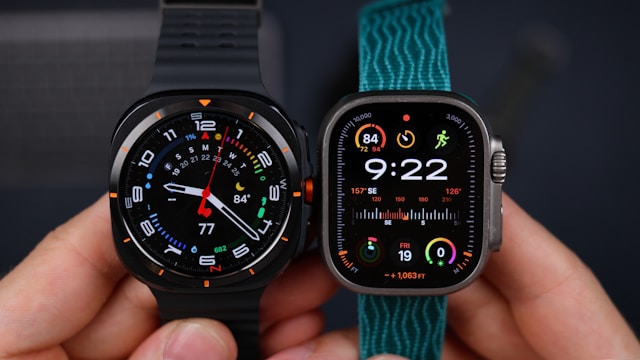
The Evolution of Smartwatches as Health Gadgets
Smartwatches have come a long way from their inception as simple time-keeping devices. Today, they are powerful health management tools that can track various physiological parameters and assist in preventive health care. This transformation has been driven by advancements in sensor technology and data analytics, making these devices indispensable for modern health monitoring.
The integration of sensors that monitor heart rate, perform electrocardiograms (ECG), and measure blood oxygen levels are among the many capabilities that enable smartwatches to play a significant role in proactive health management. These features not only help users track their fitness levels but also provide critical insights that can prevent potential health issues.
Key Health Tracking Features
Heart Rate Monitoring
Heart rate monitoring is one of the fundamental features of modern smartwatches. The ability to continuously track heart rate allows users to understand their cardiovascular health better. Smartwatches use optical heart rate sensors that employ photoplethysmography (PPG) to measure the volume of blood flow, providing real-time heart rate readings.
This feature can be especially beneficial for individuals with heart conditions, as it allows them to monitor irregularities such as tachycardia or bradycardia. By setting up alerts, users can be notified if their heart rate exceeds or falls below specific thresholds, prompting early medical intervention if necessary.
ECG Capabilities
Electrocardiogram functionality is another significant addition to the health-tracking capabilities of smartwatches. While not a replacement for professional ECG tests, the smartwatch ECG feature can detect atrial fibrillation (AFib), a common form of irregular heart rhythm. Early detection of AFib can prevent stroke and other complications.
Using built-in electrodes, smartwatches can record an ECG in about 30 seconds. This data can be shared with healthcare providers for further analysis, allowing for timely intervention and management of heart-related conditions.
Blood Oxygen Levels
Blood oxygen monitoring, or pulse oximetry, is particularly relevant in today's health landscape. Smartwatches with this capability can measure SpO2 levels using red and infrared light sensors. Maintaining healthy oxygen levels is crucial for overall well-being, especially for individuals with respiratory conditions such as COPD or COVID-19.
By tracking trends in blood oxygen saturation, users can gain insights into how well their lungs and circulatory system deliver oxygen throughout the body. For athletes and high-altitude travelers, this information is valuable for optimizing performance and acclimatization strategies.
Practical Workflows for Proactive Health Management
Personalized Health Insights
Smartwatches offer personalized health insights by aggregating data over time. Users can review trends and patterns in their health metrics through user-friendly interfaces and companion apps. These insights empower individuals to make informed decisions about lifestyle changes, such as improving diet or increasing physical activity.
- Regular Monitoring: Set up daily reminders to check key health metrics and note any abnormalities.
- Health Reports: Utilize smartwatch apps to generate weekly or monthly health reports. Share these with healthcare providers during check-ups.
Activity and Fitness Tracking
Beyond health monitoring, smartwatches also excel at tracking physical activity. Features such as step counting, calorie tracking, and exercise recognition help users maintain an active lifestyle. By setting activity goals and receiving feedback on progress, users stay motivated to reach fitness milestones.
Many smartwatches offer guided workouts and virtual coaching. This can be particularly useful for beginners looking to establish a workout routine or for seasoned athletes seeking new challenges.
Challenges and Considerations
Data Privacy Concerns
The extensive data collected by smartwatches raises privacy concerns. Users must be vigilant about data sharing policies and ensure that their information is stored securely. Manufacturers typically offer encrypted storage solutions and transparent data usage policies, but users should always review these policies carefully.
Accuracy and Limitations
While smartwatches provide valuable health insights, they are not infallible. Data accuracy can vary based on factors like skin tone, wrist tattoos, and device positioning. It's crucial for users to calibrate their devices correctly and interpret data with an understanding of its limitations.
The Future of Smartwatch-Driven Preventive Health Care
The role of smartwatches in preventive health care will likely expand as technology evolves. Future developments may include even more sophisticated sensors, integration with AI-driven health analysis tools, and enhanced connectivity with electronic health records (EHR).
As adoption rates increase, the potential for smartwatches to transform preventive health care becomes more pronounced. By empowering users with detailed insights into their health, these devices promote an era where proactive management leads to healthier populations.