The Evolution of Smart Home Technology
In recent years, smart home technology has revolutionized the way we interact with our living spaces. From controlling lights and thermostats to managing security systems, these devices offer unprecedented convenience and efficiency. As this technology becomes increasingly advanced, homeowners are faced with a critical decision: Should they opt for automation systems that simplify user experience or choose customizable devices that allow extensive control over their home environments?
This article aims to explore these two approaches—automation and customization—examining their benefits and potential drawbacks, to help you determine which fits your lifestyle better.
Automation: The Path to Simplification
What is Home Automation?
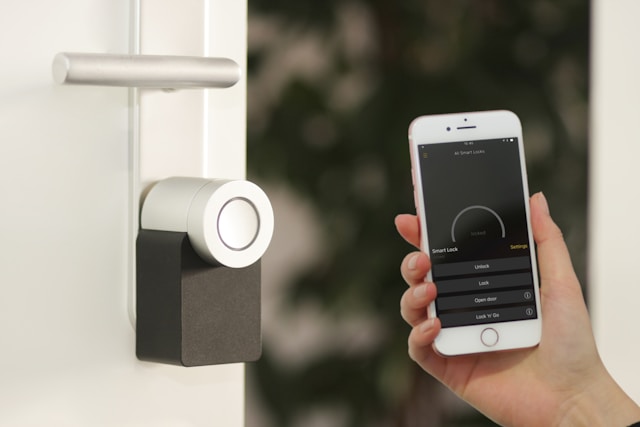
Home automation refers to the use of technology to automate various household functions. This can include automatically adjusting lighting based on time of day, setting thermostats according to weather conditions, or even locking doors remotely. The goal is to reduce the need for human intervention in routine tasks, thereby simplifying everyday life.
Benefits of Home Automation
- Convenience: Automation eliminates the need to manually adjust settings for different devices. Imagine leaving home and not having to worry whether you left the lights on or the doors unlocked because your system does it all for you.
- Efficiency: Automated systems often lead to energy savings by optimizing device usage based on patterns and preferences. For example, smart thermostats can learn your schedule and adjust temperatures accordingly, reducing unnecessary heating or cooling.
- Security: Automated security systems provide peace of mind through features like real-time monitoring, automated alerts, and remote control capabilities.
Case Study: The Automated Home of John and Sarah
John and Sarah, a couple living in Seattle, transformed their home into an automated paradise. They installed a comprehensive smart system that controls lighting, climate, and security. Using a central hub, they manage all devices through voice commands and a smartphone app. The system learns their routines and preferences, adjusting settings automatically without constant input. This has not only reduced their energy bills by 20% but also enhanced their home's security, giving them peace of mind while traveling.
Customization: The Power of Personal Control
What is Customization in Smart Homes?
Customization involves tailoring smart home devices to suit individual preferences and needs. Unlike automation, which prioritizes ease of use through preset protocols, customization allows users to have granular control over every aspect of their home environment. This approach is ideal for tech enthusiasts who enjoy tinkering with settings and configurations.
Advantages of Customization
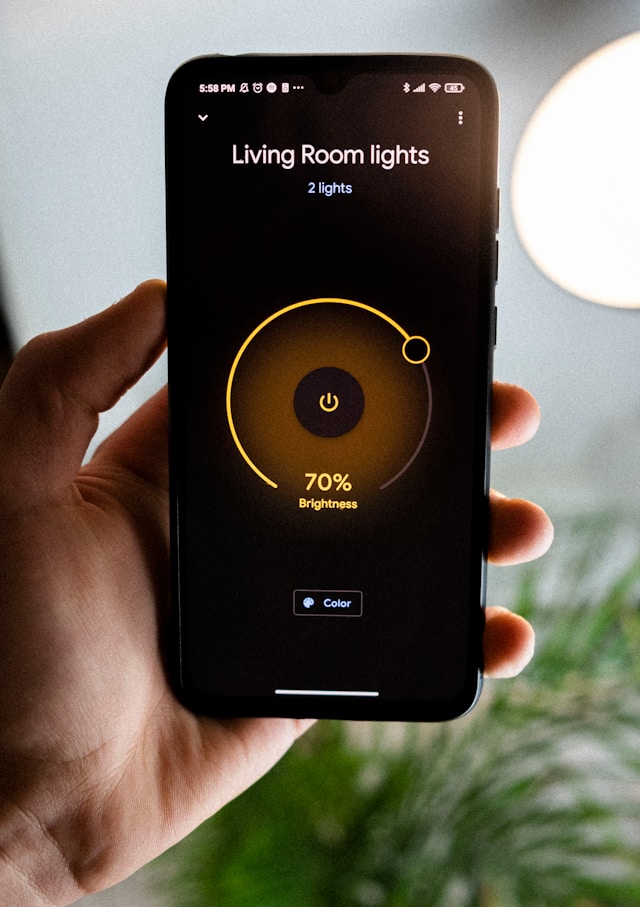
- Personalization: With customization, homeowners can create unique setups that reflect their lifestyle and preferences. From setting specific lighting scenes for different occasions to fine-tuning audio systems for optimal sound quality, the possibilities are endless.
- Flexibility: Customizable systems offer the flexibility to integrate new technologies and features as they become available, ensuring your smart home stays up-to-date with the latest advancements.
- Enhanced Functionality: By manually adjusting settings, users can achieve higher levels of functionality tailored to their specific requirements.
Case Study: Lisa's Custom Smart Home
Lisa, an engineer from Austin, opted for a highly customized smart home setup. She wanted complete control over her environment, from the lighting ambiance to the precise settings of her multi-room audio system. Using open-source software platforms, Lisa integrated various gadgets from different manufacturers into a cohesive system. While this required more time and technical knowledge, Lisa enjoys the unparalleled level of control and the ability to tweak her system whenever she wishes.
The Drawbacks: Automation vs. Customization
Potential Challenges with Automation
- Lack of Control: Automation can sometimes mean sacrificing control over specific aspects of your home environment as devices operate based on predetermined settings or artificial intelligence algorithms.
- Dependence on Technology: Over-reliance on automated systems can be problematic if there are technological glitches or failures. An outage in the network or a malfunctioning device can disrupt daily routines.
Challenges of Customization
- Complexity: A customized setup can be complex and require a steep learning curve. Not everyone has the technical expertise or interest in constantly tweaking their systems.
- Time-Consuming: Setting up a fully customized smart home requires time and effort, from researching compatible devices to configuring them precisely according to personal preferences.
Making the Right Choice for Your Lifestyle
Assessing Your Needs
The decision between automation and customization should be based on your personal preferences, lifestyle needs, and technical comfort level. Here are some questions to consider:
- Do you prefer hands-off convenience or enjoy engaging with technology?
- Are you comfortable troubleshooting technical issues or do you prefer straightforward solutions?
- How important is energy efficiency versus personalized functionality in your home?
A Hybrid Approach: The Best of Both Worlds?
For many homeowners, a hybrid approach may offer the best solution, combining elements of both automation and customization. This involves using automated systems for basic functions like lighting and security while customizing specific areas such as entertainment setups or specialized lighting scenes.
A practical tip is to start with automation for essential functions to save time and enhance efficiency. Once you've established a baseline system, gradually introduce customization in areas where you desire more control.
The Future of Smart Home Technology
The future holds exciting possibilities for smart homes as technology continues to evolve rapidly. Emerging trends include increased integration with artificial intelligence, improved interoperability among different brands and devices, and more intuitive user interfaces that blend automation with customization seamlessly.
The key lies in understanding your priorities and choosing solutions that align with your vision for a smarter home. Whether you prefer the ease of automation or the empowerment of customization, embracing these technologies can transform your living space into an intelligent haven that caters uniquely to your lifestyle.