Introduction to Telecommunications Resilience
In an era where communication is vital, the ability of telecommunication networks to withstand natural disasters like earthquakes and hurricanes has become critically important. These catastrophic events can disrupt connectivity, leaving communities isolated when they most need information and support. Understanding how networks can be designed to withstand these challenges is essential for telecommunication providers.
Key Challenges in Maintaining Connectivity
Telecommunications networks face several challenges during natural disasters:
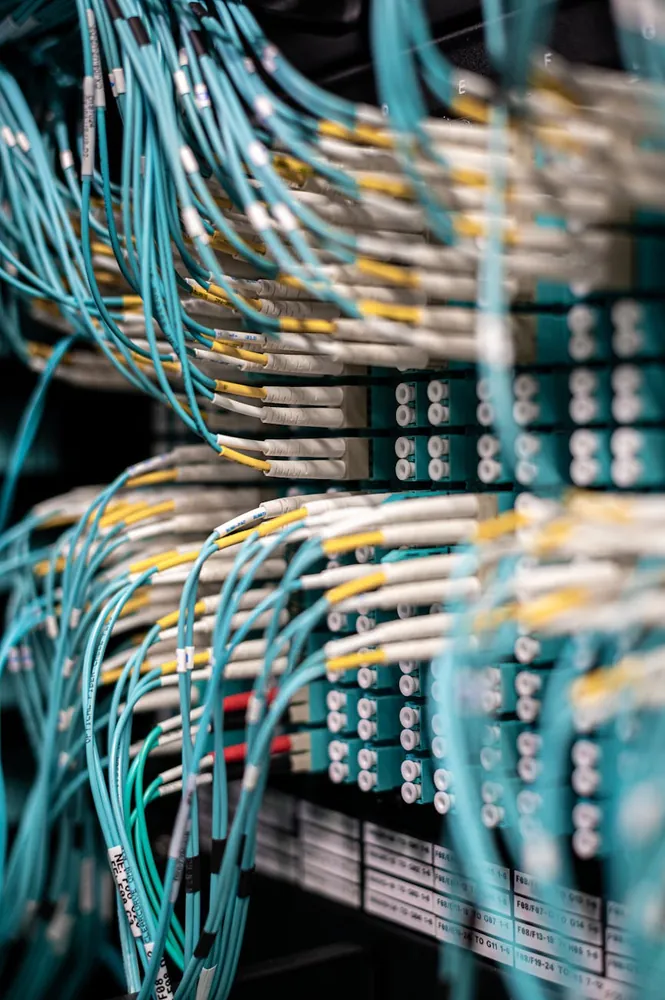
- Infrastructure Damage: Earthquakes can cause physical damage to network infrastructure, including fiber optics and data centers.
- Power Outages: Hurricanes often lead to extended power outages, affecting network operations that rely on electrical power.
- Network Congestion: With high usage spikes during emergencies, networks can become congested, causing delays and disruptions.
Case Study: Japan’s Earthquake-Resilient Networks
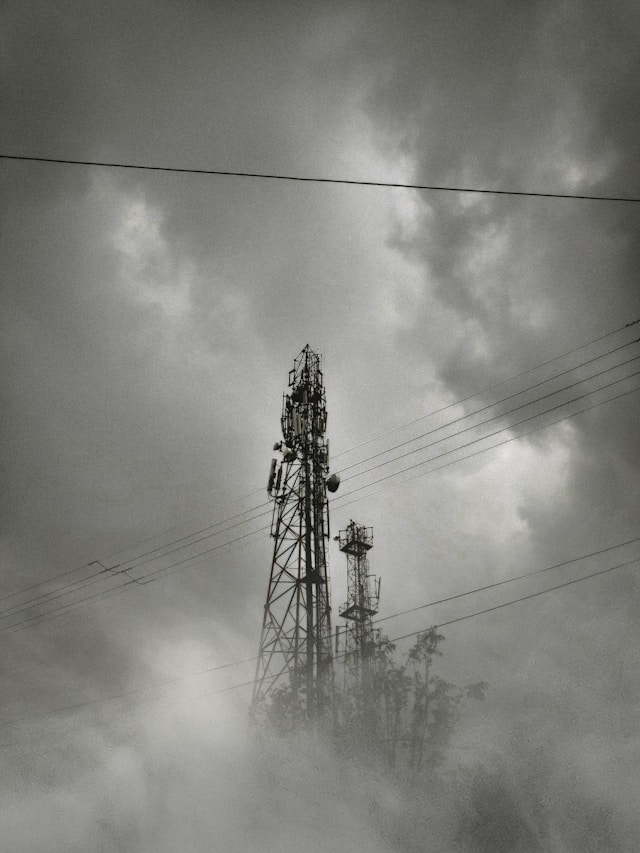
Japan is no stranger to earthquakes. The country has invested significantly in making its telecommunications network resilient. One key strategy is the deployment of earthquake-resistant infrastructure. Telecommunication towers and equipment are built with materials and designs that can withstand significant seismic activity.
In addition to physical robustness, Japan's use of satellite communication as a backup ensures connectivity when terrestrial networks fail. This dual-layer approach was instrumental during the 2011 Tōhoku earthquake and tsunami, where satellite systems provided critical communication links when terrestrial systems were compromised.
Workflow for Deploying Resilient Infrastructure
- Assessment: Conduct a vulnerability assessment of existing infrastructure to identify weaknesses.
- Design: Develop new designs using seismic-resistant materials and construction techniques.
- Implementation: Retrofit existing structures and build new ones following resilient designs.
- Testing: Regularly test the infrastructure under simulated conditions to ensure reliability.
Case Study: Hurricane-Proof Systems in the Caribbean
The Caribbean region faces annual hurricane threats, making resilient telecommunications systems a necessity. Providers such as Digicel have implemented comprehensive strategies to maintain service during storms:
- Use of Redundant Paths: By diversifying routes for data transmission, companies minimize the impact of single-point failures.
- Elevated Facilities: Critical facilities, such as switching centers, are elevated above anticipated flood levels to prevent water damage.
- Solar-Powered Systems: The integration of solar panels ensures that power remains available even during prolonged outages.
The effectiveness of these strategies was evident during Hurricane Maria in 2017, where many users retained access to essential services despite widespread devastation.
Practical Tips for Designing Hurricane-Resilient Systems
- Infrastructure Diversification: Implement redundant pathways and diversified routing to maintain connectivity.
- Elevation and Protection: Ensure that critical network facilities are located above flood zones and are fortified against strong winds.
- Renewable Energy Sources: Incorporate renewable energy solutions such as solar or wind to provide reliable power backups.
The Role of Technology in Enhancing Resilience
Technological advancements play a crucial role in developing more resilient telecommunications networks. Innovations such as IoT sensors can detect early signs of network failure or environmental stressors, providing real-time alerts that allow for proactive measures. Furthermore, software-defined networking (SDN) offers flexibility in rerouting traffic during emergencies, helping to manage congestion and prioritize critical communications.
Conclusion: Lessons Learned and Future Directions
The case studies from Japan and the Caribbean highlight essential strategies for maintaining telecommunications resilience during natural disasters. The incorporation of robust infrastructure design, technological innovations, and strategic planning are key elements in ensuring that networks remain operational during emergencies.
As we move forward, ongoing research into new materials, better predictive analytics, and more efficient energy solutions will further enhance our ability to withstand natural disasters. By learning from these real-world examples, organizations can better prepare their networks for the unpredictable challenges posed by earthquakes and hurricanes, ultimately safeguarding critical communication channels when they are needed most.