Revolutionizing Connectivity Through Mesh Networking
In today's digital age, connectivity is crucial not only for communication but also for economic growth, education, and access to essential services. Yet, many remote and underserved communities struggle with inadequate internet infrastructure. Mesh networking emerges as a revolutionary solution, offering resilience, scalability, and cost-effectiveness in such challenged regions.
What is Mesh Networking?
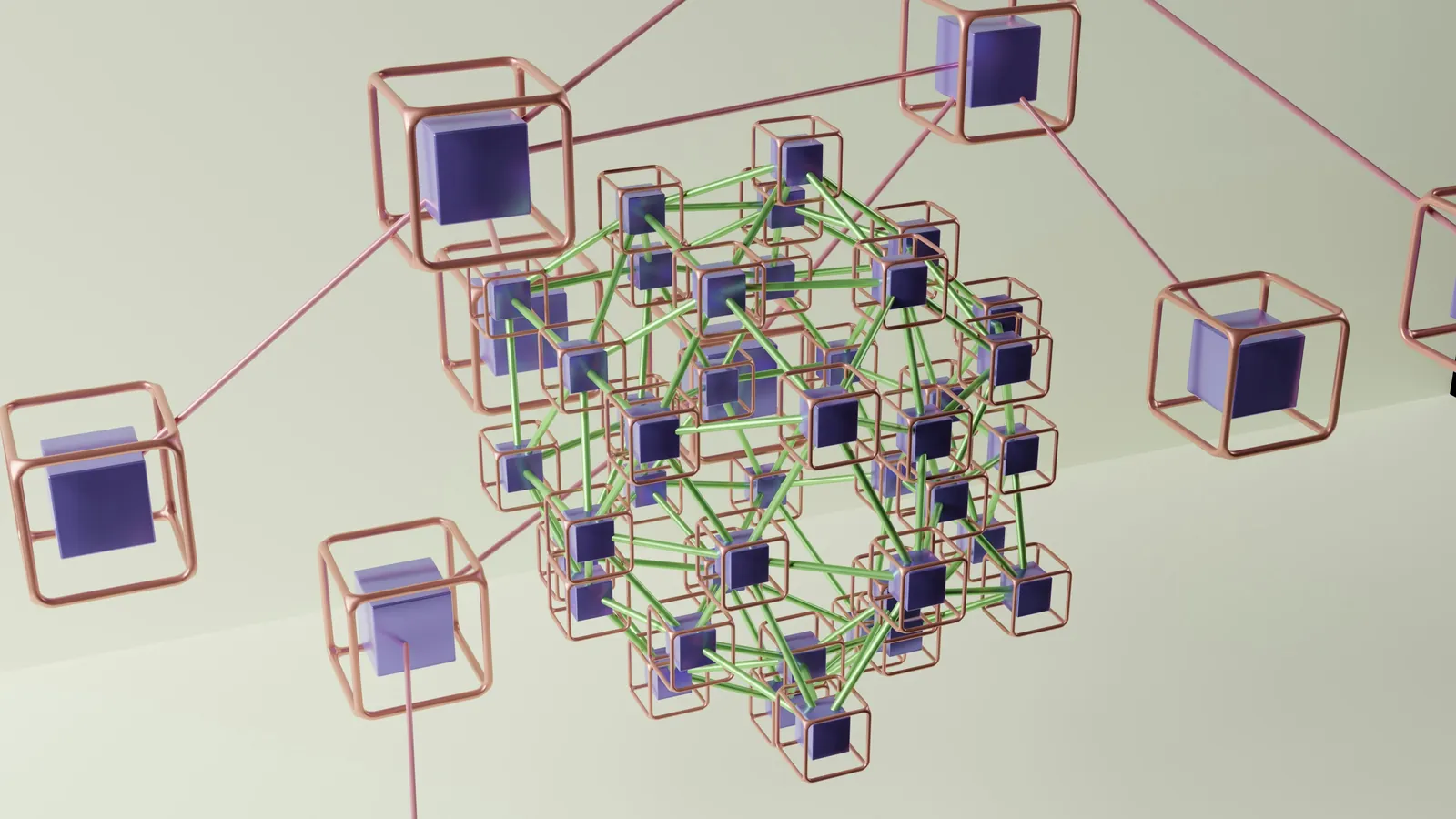
Mesh networking is a network topology where each node connects directly, dynamically, and non-hierarchically to as many other nodes as possible. These nodes work collaboratively to distribute data among themselves. This approach contrasts with traditional hierarchical network structures, which rely on a central access point that can become a single point of failure.
By eliminating dependence on centralized infrastructure, mesh networks are robust against failures and are easily scalable. Nodes can be any device capable of receiving and transmitting a signal, such as smartphones, tablets, or dedicated hardware like routers or repeaters.
Case Study: Success in the Amazon Rainforest
One of the most compelling examples of effective mesh networking can be found in the remote regions of the Amazon rainforest. The dense forest and vast distance between communities make it challenging to establish conventional internet infrastructure.
The NGO "Internet para Todos" initiated a project in collaboration with local leaders to deploy mesh networks using solar-powered nodes. Each village was equipped with several nodes strategically placed to cover the entire community area. As a result, over a dozen villages previously isolated were connected, enabling access to online education resources, telehealth services, and local government information portals.
- Challenges: Initial challenges included training locals to maintain equipment and managing the variability of solar power.
- Solutions: Workshops were conducted for technical training, and nodes were designed to store energy to function during cloudy days.
- Impact: School attendance increased by 30%, and there was a 50% rise in public health consultations conducted via telehealth platforms.
The Technical Backbone of Mesh Networks
Deploying a successful mesh network requires a combination of strategic planning and appropriate technology choices. Here's how communities can implement these networks effectively:
Selecting the Right Hardware
Choosing the right hardware is crucial. For rural deployments, durable and weather-resistant devices are necessary. Devices should support dynamic frequency selection to adapt to environmental changes and optimize network performance.
- Low-Cost Devices: Affordable routers with open-source firmware (such as those compatible with OpenWRT) allow for customization and flexibility.
- Solar Integration: Where electricity is scarce, integrating solar panels ensures continuous operation.
Network Planning and Management
A successful mesh network requires careful planning. Understanding the geography and placing nodes at optimal intervals ensures efficient coverage and minimal interference.
- Topographical Surveys: Conducting surveys helps identify potential obstacles and ideal node placement.
- Mesh Protocols: Protocols like Optimized Link State Routing (OLSR) or Babel can be employed for robust data routing.
Case Study: Bridging the Digital Divide in Rural India
In rural India, where internet penetration remains low, the Digital Empowerment Foundation launched a project leveraging mesh networks to bridge the digital divide in villages across Rajasthan.
The project involved installing mesh networks in 15 villages where traditional infrastructure was either too expensive or impractical. Locals received training on network management and maintenance, creating sustainable self-sufficient digital ecosystems.
- Empowerment: Local women were trained as "digital changemakers," maintaining the networks and leading community digital literacy programs.
- Economic Growth: With improved connectivity, villagers engaged in e-commerce platforms, increasing their incomes by 25% on average.
The Socio-Economic Impact of Mesh Networking
The implementation of mesh networks can have profound socio-economic impacts on challenged regions. Beyond immediate connectivity improvements, they pave the way for lasting developmental benefits:
Education
Access to online resources democratizes education. Students can participate in global classrooms through video conferencing and access educational content that was previously unavailable.
- E-Libraries: Digital libraries reduce the physical limitations of book access, providing thousands of resources at students' fingertips.
Healthcare
Mesh networks facilitate telemedicine services, connecting patients to remote healthcare professionals for consultations without the need for arduous travel.
- Telehealth Initiatives: In Kenya, remote health outposts connected via mesh networks have reported a 40% decrease in patient travel time for specialist care.
E-Governance
Government services become more accessible through mesh networks. Citizens can apply for permits, register births or access social services online without needing to travel long distances.
Conclusion: The Path Forward
The success stories from regions like the Amazon and rural India illustrate that with strategic implementation, mesh networking can revolutionize connectivity in challenged regions. This technology empowers local communities, fostering independence and enabling sustainable development. As we move forward, expanding mesh networking initiatives will be key to closing the digital divide globally, ensuring that no community is left behind in the digital era.