The Rise of Smart Homes
The rapid advancement of technology has led to the proliferation of smart devices, transforming the way we interact with our homes. From smart thermostats that learn your temperature preferences to lights that can be controlled with a voice command, the possibilities seem endless. However, as the number of connected devices grows, so does the complexity of managing them effectively. This is where the choice between using a smart home hub or relying solely on standalone devices becomes crucial.
Understanding Smart Home Hubs
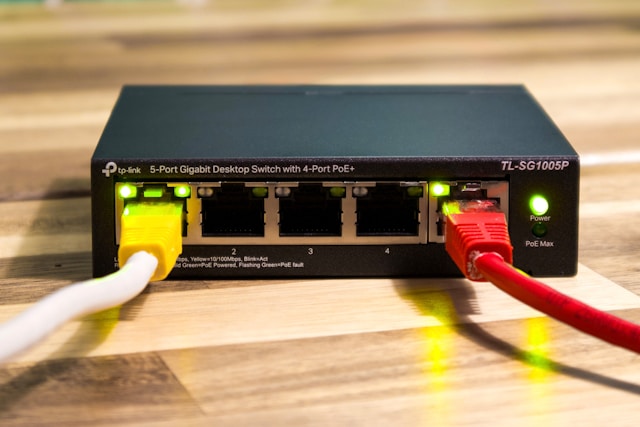
Smart home hubs serve as centralized controllers for your various smart devices, facilitating communication between them even if they operate on different protocols like Zigbee, Z-Wave, Wi-Fi, or Bluetooth. Popular examples include the Samsung SmartThings Hub and the Amazon Echo Plus. Hubs are particularly beneficial when you have a diverse range of devices from different manufacturers.
Pros of Using Smart Hubs
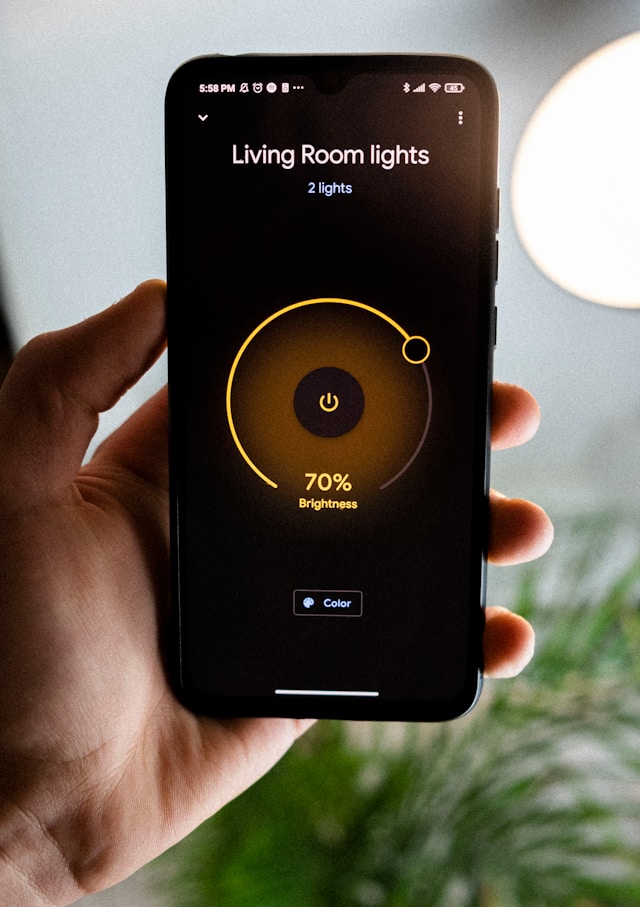
- Unified Control: With a hub, you can manage all your smart devices from a single app or interface. This means less hassle switching between apps to control different devices.
- Enhanced Automation: Hubs often allow more complex automation setups than what individual apps might offer. For instance, you could set up a routine where your lights dim, thermostat adjusts, and doors lock at bedtime.
- Broader Device Compatibility: Since hubs typically support multiple protocols, they can integrate with a wider range of devices compared to standalone products which might only support Wi-Fi.
Cons of Using Smart Hubs
- Cost: A quality hub can be an additional expense. While many hubs are reasonably priced, advanced models with extensive capabilities can be costly.
- Complexity: Setting up and maintaining a hub can be intimidating for some users, especially those new to smart home technology. Initial setup and troubleshooting might require technical know-how.
- Single Point of Failure: If your hub malfunctions, it could affect the entire system's operation until the issue is resolved.
The Case for Standalone Devices
Standalone smart devices function independently without needing a central hub. These devices typically connect directly to your Wi-Fi network and come with their dedicated apps. Brands like Philips Hue (though they offer a bridge), Nest, and Ring are designed to work seamlessly out of the box without additional infrastructure.
Pros of Standalone Devices
- Simplicity: Many users appreciate the plug-and-play nature of standalone devices. Installation is straightforward, often involving just connecting to Wi-Fi and following simple app instructions.
- No Additional Hardware Needed: With standalone devices, there is no need for additional hardware like a hub, making them a cost-effective choice for those just starting their smart home journey.
- Direct Updates: Standalone devices can receive updates directly from manufacturers without needing an intermediary device like a hub, ensuring timely enhancements and security patches.
Cons of Standalone Devices
- Limited Interoperability: Without a hub, integrating devices from different brands can be challenging. You may end up juggling multiple apps to control various gadgets.
- Network Strain: Each device typically requires its own connection to your Wi-Fi network. In homes with numerous smart devices, this could lead to network congestion and reduced performance.
- Simpler Automations: The automation options available via individual device apps tend to be less sophisticated compared to those offered by a comprehensive hub system.
Choosing the Right Setup: Scenarios
The decision between a hub-based or standalone system largely depends on individual needs and existing infrastructure. Below are some scenarios to help guide your choice:
If You Are Just Getting Started
For beginners entering the smart home space, standalone devices provide an easy and less intimidating entry point. They allow users to gradually build their setup without significant upfront investment or commitment to a particular ecosystem.
If You Have Diverse Device Needs
If you plan on integrating multiple types of smart devices—such as lighting systems, security cameras, and thermostats—from various manufacturers, a smart hub could provide better interoperability and unified control, enhancing your overall user experience.
If You Value Advanced Automation
Enthusiasts who want to create intricate automations, such as linking security cameras with motion sensors or setting complex routines triggered by time or location, will benefit more from a hub due to its enhanced automation capabilities.
If Budget is a Concern
A straightforward approach is essential if budget constraints are present. Start with affordable standalone devices that meet immediate needs and expand gradually as finances allow or as needs evolve.
The Future of Smart Home Integration
The landscape of smart home integration is continually evolving with innovations like Matter—a universal protocol designed to facilitate seamless device communication across brands—promising to simplify this decision further. As more manufacturers adopt this technology, the distinctions between hub-centric and standalone solutions might blur, offering even greater flexibility and choice for consumers.
No matter your choice now—hub or standalone—the ultimate goal remains: enhancing comfort, security, and convenience within your living space. By understanding the strengths and limitations of each approach, you can tailor a smart home setup that truly aligns with your lifestyle needs.