The Duality of Speed and Responsiveness
In the realm of agile software development, the balance between speed and responsiveness to user feedback often stands as the cornerstone of project success. Agile methodologies emphasize short, iterative cycles that enable teams to develop software rapidly while continuously integrating user input. However, achieving an optimal balance can be challenging when immediate stakeholder expectations clash with long-term user satisfaction.
This article dives into practical steps for incorporating user feedback without compromising on development velocity, supported by real-world examples of how successful companies have navigated these waters.
Integrating User Feedback: A Practical Framework
The first step in any successful agile process is establishing a robust framework for gathering and analyzing user feedback. User stories are a classic tool in agile environments, representing small, digestible units of feedback directly tied to user needs. These user stories not only clarify requirements but also help prioritize features based on customer impact.
Case Study: Trello's Iterative Design Process
Trello, a popular project management tool, provides an exemplary case of integrating user feedback seamlessly into their agile workflow. Originally launched with minimal features, Trello quickly amassed user feedback through direct user surveys and active monitoring of social media channels. The development team created a feature request board visible to all users, allowing users to vote on new features they desired most.
This democratic approach empowered users to influence the development roadmap directly. It ensured the development team focused on high-impact features, ultimately fostering a strong sense of community and loyalty among Trello's user base.
Setting Up Effective Feedback Loops
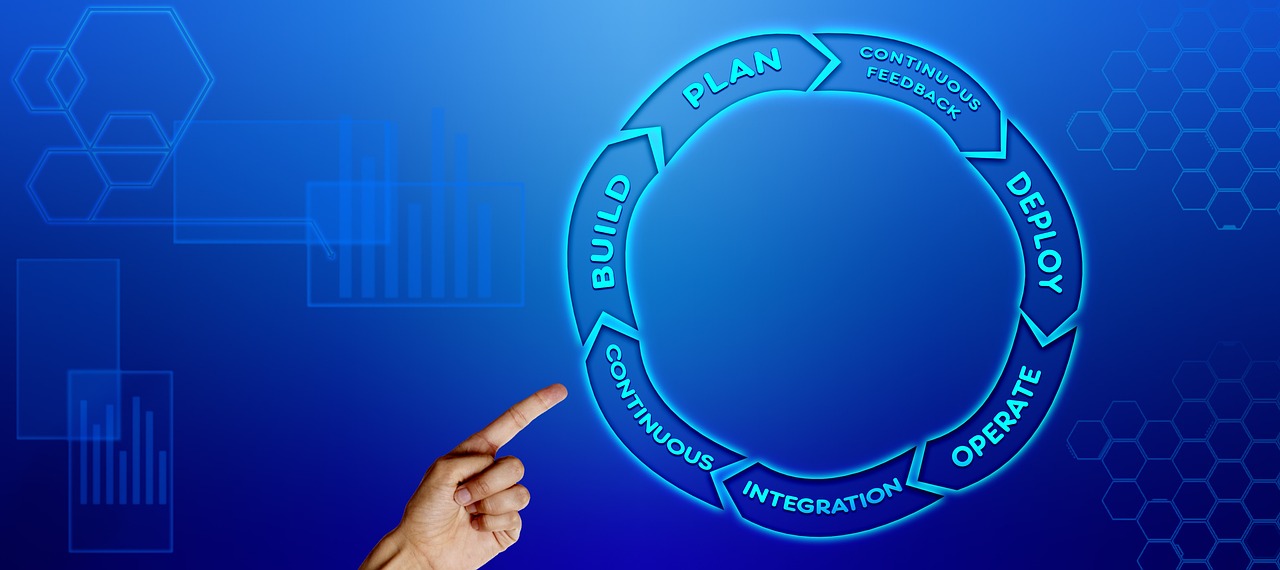
Establishing efficient feedback loops is critical in agile environments where rapid iterations are key. This involves multiple stages:
- Collection: Gathering comprehensive feedback through surveys, usability tests, and analytics tools.
- Analysis: Using tools like sentiment analysis and user behavior analytics to interpret data.
- Prioritization: Ranking feedback by impact and feasibility, often using techniques such as the Moscow method (Must have, Should have, Could have, Won't have).
- Implementation: Rapid deployment of iterations followed by further rounds of feedback.
Case Study: Spotify's Continuous Deployment Model
Spotify exemplifies the power of effective feedback loops in their deployment model. Utilizing their unique Squad system, Spotify allows small, cross-functional teams to work independently. These squads own different parts of the application, which enables them to release updates frequently without impacting other areas.
This autonomous structure aids in integrating user feedback swiftly. When users report issues or request features, the relevant squad can respond promptly with updates tailored to specific user segments, maintaining both agility and quality.
Balancing Competing Priorities
Despite the clear benefits of incorporating user feedback, there are challenges in balancing these insights with other competing priorities like technical debt and new feature development. Agile frameworks provide several tools to address these issues:
- Backlog Grooming: Regularly updating and prioritizing the product backlog ensures that urgent user concerns are addressed without derailing overall project goals.
- Sprint Planning: Carefully planning each sprint helps allocate resources effectively across bug fixes, improvements based on user feedback, and strategic feature development.
Case Study: Airbnb's Data-Driven Decisions
Airbnb successfully manages competing priorities by relying heavily on data-driven decision-making. By continuously monitoring user interaction data, Airbnb identifies which features require enhancement and which bugs need immediate attention. This data-driven approach is complemented by regular A/B testing to validate changes before full-scale implementation.
By aligning development goals with user needs through data analytics, Airbnb efficiently balances new feature rollouts with continuous improvements driven by user feedback.
The Role of Communication in Agile Teams
Effective communication within agile teams is crucial for rapid response to user feedback. Open lines of communication between developers, UX designers, and product managers ensure everyone is aligned on priorities and timelines.
- Daily Standups: These brief meetings provide a platform for team members to share updates and align on immediate tasks.
- Retrospectives: Post-sprint retrospectives offer valuable insights into what worked well and what could be improved regarding the integration of user feedback.
Case Study: Slack's Cross-Functional Collaboration
Slack prioritizes cross-functional collaboration by fostering an inclusive culture where all team members contribute ideas for product improvements. This collaborative spirit is facilitated through regular interdepartmental meetings and open communication channels on their own platform.
This approach has allowed Slack to maintain agility while ensuring that feedback from diverse sources is considered in product development cycles.
Navigating User Feedback Challenges
User feedback is invaluable, yet it can sometimes present challenges such as contradictory inputs or unrealistic requests. Addressing these challenges requires:
- Validation: Ensuring that feedback aligns with overall business objectives and is technically feasible.
- Communication: Clearly explaining to users why certain features may not be implemented or are delayed, fostering transparency and trust.
Case Study: GitHub's Transparent Feedback Process
GitHub effectively manages user expectations through its transparent issue tracking system. Users can see the status of their feature requests and understand the reasoning behind prioritization decisions made by GitHub's development team.
This transparency builds trust and aligns user expectations with the company's strategic goals, mitigating potential dissatisfaction from unmet requests.
Conclusion: Sustaining Agility While Embracing Change
The key to balancing user input with development speed lies in implementing structured feedback mechanisms, embracing data-driven decisions, and fostering open communication within agile teams. Companies like Trello, Spotify, Airbnb, Slack, and GitHub exemplify how responsiveness to users does not have to come at the cost of speed. By maintaining clear processes and aligning on priorities, agile teams can deliver high-quality software that meets both current market demands and evolving user needs.