Understanding Microservices and Serverless Architectures
In the fast-evolving landscape of software development, two architectural paradigms have emerged as dominant forces: microservices and serverless environments. Each offers unique benefits and challenges, particularly when it comes to development speed, scalability, deployment complexity, and cost management. Understanding these factors is crucial for organizations seeking to select the optimal architecture for their application needs.
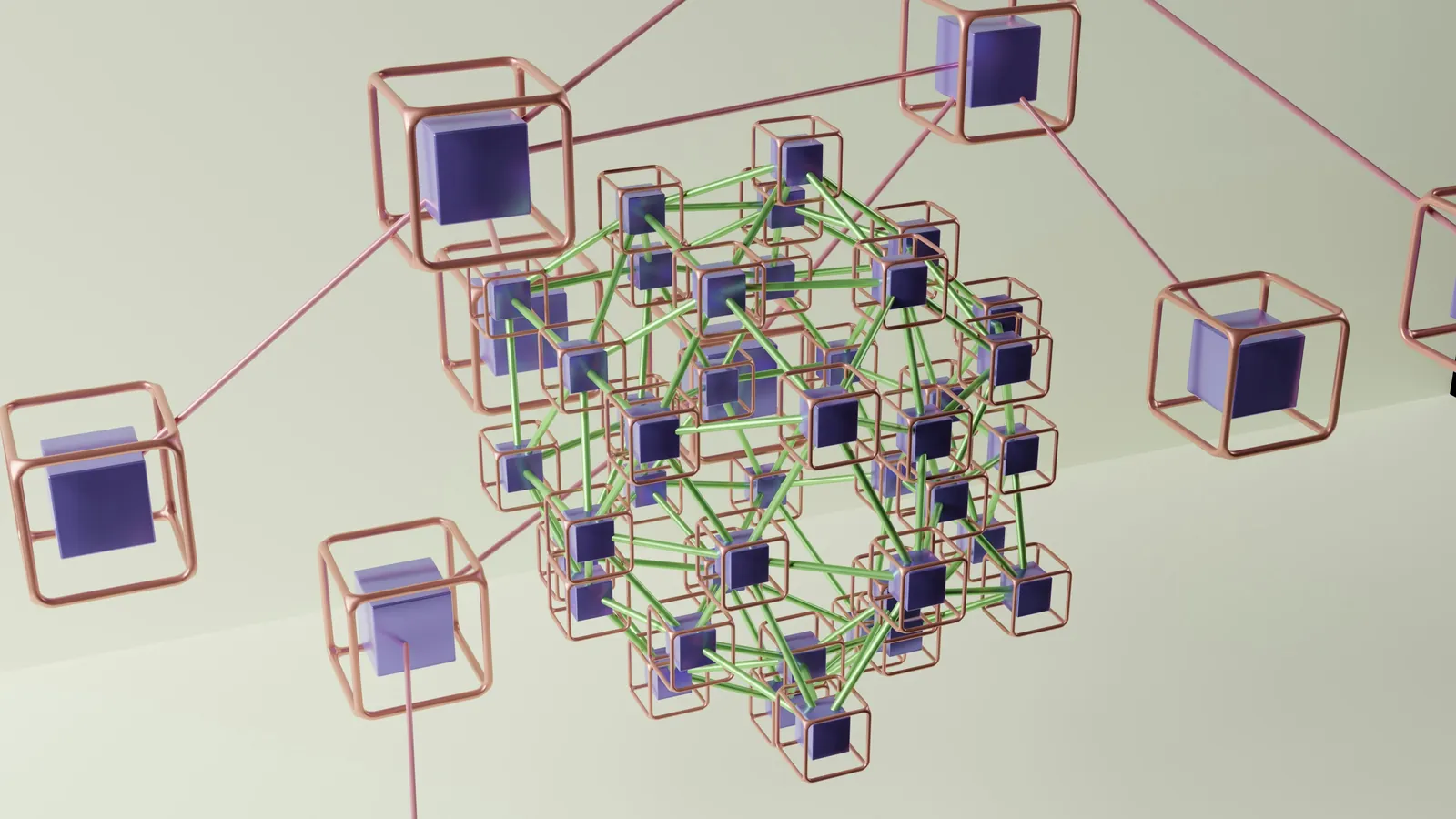
Microservices architecture involves decomposing an application into a collection of loosely coupled services. These services can be developed, deployed, and scaled independently, enabling agile development processes and facilitating continuous delivery and integration. On the other hand, serverless architecture abstracts infrastructure management away from developers, allowing them to focus purely on code. This model is characterized by event-driven execution where developers deploy functions triggered by specific events.
Scalability: Microservices vs. Serverless
Scalability is often a top priority for businesses seeking to handle growing user demand efficiently. Microservices offer robust scalability options because each service can be scaled independently according to its load. For example, if a particular service experiences high traffic, it can be allocated more resources without affecting other parts of the application. This level of granularity can lead to optimized resource usage but requires careful monitoring and orchestration of each service's lifecycle.
In contrast, serverless environments excel in automatic scaling. As the execution of functions is event-driven, serverless platforms like AWS Lambda or Azure Functions automatically handle scaling based on incoming requests. Developers do not need to manage infrastructure provisioning; instead, they can leverage the provider’s capabilities to scale seamlessly according to demand. However, this model might encounter limitations with cold start latencies, where inactive functions might take longer to initialize upon receiving a request.
Deployment Complexities
Deploying applications in microservices architecture can introduce significant complexity. Each service requires its own deployment pipeline, configuration management, and often separate monitoring and logging solutions. This demands a mature DevOps culture and advanced orchestration tools such as Kubernetes to manage dependencies and service discovery effectively. The investment in tooling and processes can pay off by offering flexibility and resilience but at the cost of increased operational overhead.
Serverless architectures simplify deployment substantially since developers only need to upload their code in the form of functions. The serverless platform manages the rest, including scaling, availability, and runtime environment management. This ease of deployment allows faster iteration cycles but can restrict developers to the offerings and limitations of the chosen serverless provider.
Cost Implications
Understanding cost implications is vital when choosing between microservices and serverless architectures. Microservices require continuous running of services which may lead to higher costs due to persistent resource allocation even during low-demand periods. Organizations must plan capacity carefully to avoid over-provisioning while ensuring performance under peak loads.
Conversely, serverless architectures often follow a pay-per-execution pricing model where costs correlate directly with actual usage. This can lead to substantial cost savings for applications with variable or unpredictable traffic patterns as you are charged only for the compute time consumed by functions. However, frequent invocations at scale might incur higher costs compared to a reserved instance model typical in microservices.
Choosing the Right Architecture
Selecting the right architecture depends on specific organizational needs and application requirements. For companies with diverse services that require independent scaling and deployment flexibility, microservices might be more suitable despite their operational complexity. A clear understanding of DevOps practices will be essential to reap the benefits of this architecture fully.
On the other hand, businesses focused on rapid development and iteration or those without extensive DevOps expertise may find serverless architectures more advantageous. They provide quick deployment cycles and reduce infrastructure management burdens significantly. However, aligning application design with event-driven paradigms is essential for maximizing the benefits offered by serverless environments.
Practical Tips for Implementation
- Assess Application Needs: Determine if your application would benefit more from isolated service management or seamless function execution.
- Consider Team Expertise: Evaluate your team’s proficiency in managing infrastructure versus writing function-specific code.
- Evaluate Cost Models: Model out potential costs associated with both architectures based on expected traffic and compute requirements.
- Adopt Robust Monitoring Tools: Ensure comprehensive visibility into your systems regardless of architecture choice for proactive issue resolution.
Conclusion
The choice between microservices and serverless architectures hinges on multiple factors including scalability needs, deployment complexities, cost considerations, and team capabilities. By carefully analyzing these elements against organizational goals and application characteristics, businesses can make informed decisions that align with their long-term strategic objectives.