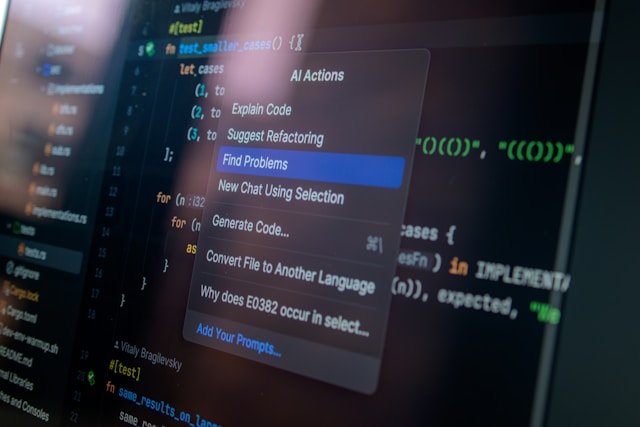
The Role of AI in Software Development
Artificial intelligence (AI) is revolutionizing numerous industries, and software development is no exception. By integrating AI tools, development teams can significantly enhance productivity, optimize workflows, and reduce the time required to complete complex projects. Despite these benefits, several barriers impede the effective implementation of AI in development environments.
AI Enhancements in Development
AI can be harnessed to improve various aspects of software development, from code generation and debugging to deployment and maintenance. For instance, AI-driven code completion tools like TabNine or Kite use machine learning algorithms to predict and suggest the next lines of code, reducing typing effort and minimizing errors.
Consider a scenario where a developer is working on a complex algorithm. By using an AI-powered code suggestion tool, they can receive real-time suggestions that not only speed up the coding process but also inspire new approaches that might not have been considered manually.
Time-Saving Techniques Through AI
Integrating AI into software development processes can save considerable time and resources. Here are some practical techniques:
- Automated Testing: Tools like Testim and Applitools use AI to automate software testing, identifying potential issues more quickly and accurately than traditional methods.
- Code Refactoring: AI can analyze large codebases to suggest improvements and optimizations, ensuring code remains maintainable and efficient.
- Predictive Analysis: By analyzing historical data, AI can forecast project timelines, identify potential bottlenecks, and propose mitigation strategies.
Barriers to AI Integration in Development Teams
While the potential benefits of AI in software development are substantial, several challenges hinder its widespread adoption. Understanding these barriers is crucial for any organization looking to leverage AI effectively.
Cultural Resistance and Skill Gaps
Many development teams face cultural resistance when introducing AI. Developers who are accustomed to traditional methods may be skeptical of new technologies that could disrupt established workflows. Additionally, there is often a skill gap; developers may lack the training required to implement and maintain AI solutions effectively.
A typical scenario involves a team leader advocating for an AI-based tool to streamline testing processes. However, team members might resist this change due to unfamiliarity with the technology or fear of redundancy. Overcoming this barrier requires clear communication about AI's benefits and providing comprehensive training to ensure all team members are comfortable using new tools.
Integration Complexity
The integration of AI into existing systems can be technically challenging. Development teams must ensure that AI solutions seamlessly integrate with current infrastructure without causing disruptions or compatibility issues.
Imagine a development team that decides to incorporate an AI-powered tool for project management insights. The integration process reveals unexpected compatibility issues with their existing project management platform, leading to delays and frustration. To avoid such scenarios, it is essential to conduct thorough compatibility checks and planning sessions before integrating AI tools.
Data Privacy and Security Concerns
AI systems often rely on large datasets to function effectively, raising concerns about data privacy and security. Development teams must address these concerns by implementing robust data protection measures and ensuring compliance with relevant regulations.
Consider a company that uses AI for customer data analysis to enhance product features. This approach requires stringent data encryption methods and regular audits to ensure compliance with GDPR or CCPA standards.
Strategies for Overcoming Barriers
To successfully integrate AI into software development workflows, organizations must adopt strategic approaches tailored to their unique challenges.
Encouraging a Culture of Innovation
Fostering a culture that embraces innovation and continuous learning is critical for overcoming cultural resistance. This can be achieved by encouraging open dialogue about AI's potential benefits and supporting professional development opportunities focused on emerging technologies.
- Host workshops or seminars on AI advancements.
- Create cross-functional teams to explore innovative solutions collaboratively.
- Recognize and reward employees who champion technological innovation.
Investing in Training and Education
A well-trained team is better equipped to leverage AI tools effectively. Organizations should invest in targeted training programs to bridge the skills gap and empower developers with the knowledge needed to work alongside AI.
- Offer online courses or certifications in machine learning and AI technologies.
- Provide hands-on training sessions with new tools before deployment.
Simplifying Integration Processes
Simplifying the integration process involves selecting user-friendly tools that align with existing systems. It also requires comprehensive planning and testing phases to anticipate potential challenges.
- Select vendors that offer robust support services.
- Develop a detailed integration roadmap with milestones and checkpoints.
The Future of AI in Software Development
The future of AI in software development looks promising as more organizations recognize its transformative potential. By addressing barriers to implementation and fostering an environment conducive to innovation, development teams can unlock new levels of productivity and efficiency through AI-enhanced processes.
As technology continues to evolve rapidly, staying informed about the latest trends and advancements will be essential for development teams seeking to remain competitive in a dynamic landscape.