Leveraging AI for Enhanced Collaboration
The rise of remote work, accelerated by global events, has necessitated innovative approaches to maintain productivity and collaboration within software teams. Artificial Intelligence (AI) has emerged as a crucial component in transforming these dynamics. By integrating AI into workflows, remote software teams can enhance communication, streamline processes, and improve project outcomes.
AI-Driven Communication Tools
Effective communication is paramount for remote teams. AI-driven tools like Grammarly or DeepL are being used to ensure clarity in written communication. These tools assist in crafting messages that are free of ambiguity, fostering better understanding among team members across different locations and cultures.
Real-Time Language Translation
Consider a global development team where language barriers might hinder effective communication. Integrating real-time translation tools powered by AI can break down these barriers. For instance, platforms such as Microsoft Translator enable team members to understand one another seamlessly during live discussions, regardless of their native languages.
Boosting Productivity with AI Automation
AI's capability to automate routine tasks allows team members to focus on more complex aspects of software development. Automation tools can handle everything from scheduling meetings to sorting through lines of code for errors or potential improvements.
Code Analysis and Review
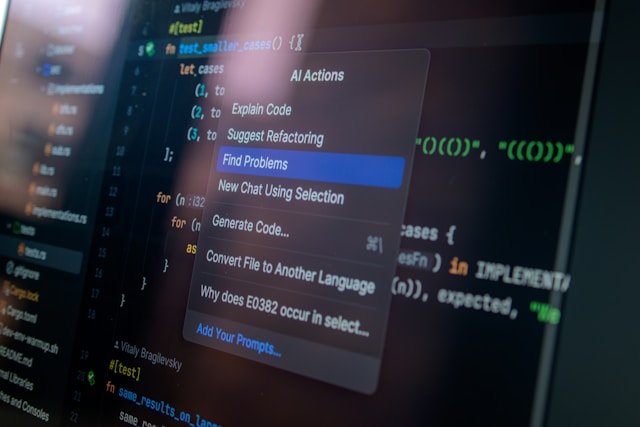
AI-powered code review tools such as DeepCode or Snyk scan codebases in real-time, identifying bugs and suggesting fixes. This not only enhances the quality of the code but also frees up developers' time, allowing them to concentrate on creative problem-solving rather than debugging.
Task Management and Assignment
Integrating AI with project management platforms like Trello or Jira enables intelligent task allocation based on team members’ workload and expertise. Such systems learn from past data to predict which team member is best suited for a particular task, ensuring efficient resource allocation.
Case Studies: Industry Leaders Embracing AI
Several industry leaders have successfully integrated AI into their remote software development processes. These case studies highlight the potential benefits and practical applications of AI in improving team dynamics and productivity.
Case Study 1: Atlassian's Smart Commitments
Atlassian has utilized AI to enhance its suite of collaboration tools, notably through 'Smart Commitments'. This feature leverages machine learning to interpret natural language and automatically update project statuses based on commit messages. This innovation has significantly reduced administrative overhead, allowing team members to focus on development tasks without worrying about manual updates.
Case Study 2: IBM's Watson in Development Sprints
IBM integrates its AI platform, Watson, into agile development sprints to analyze backlog items and optimize task prioritization. Watson's ability to process historical project data aids in predicting potential bottlenecks, enabling proactive measures to mitigate risks before they affect timelines.
The Ethical Use of AI in Team Environments
While AI offers remarkable advantages, it is imperative to consider ethical implications. Transparent use of AI, ensuring that team members are aware of how their data is being used, builds trust and acceptance of AI tools in the workplace.
Data Privacy Considerations
AI systems often rely on significant amounts of data to function effectively. Companies must establish clear guidelines on data usage and implement robust data protection policies to safeguard sensitive information.
A Practical Framework for AI Integration
To maximize the benefits of AI in remote teamwork, consider the following framework:
- Identify Needs: Analyze team workflows to pinpoint areas where AI can alleviate workload or enhance collaboration.
- Select Appropriate Tools: Choose AI tools that align with your team's specific requirements. Consider scalability and ease of integration into existing systems.
- Pilot Implementation: Start with a small-scale implementation. Gather feedback from team members to refine tool usage and integration.
- Monitor and Adjust: Continuously monitor the impact of AI tools on productivity and morale. Be prepared to adjust strategies based on performance metrics and user feedback.
Through strategic implementation and mindful application, AI can significantly optimize remote software teamwork, leading to more efficient and cohesive teams.