The Rise of Biometric Identification
In recent years, biometric authentication methods have gained significant traction, becoming a mainstay in the landscape of digital security. From fingerprint sensors to facial recognition systems, biometrics offer a compelling blend of convenience and enhanced security. This growing trend is evident as everyday devices, such as smartphones, laptops, and smart home systems, increasingly integrate these technologies.
Understanding Biometric Authentication
Biometric identification relies on recognizing unique physiological or behavioral traits. Common biometric identifiers include:
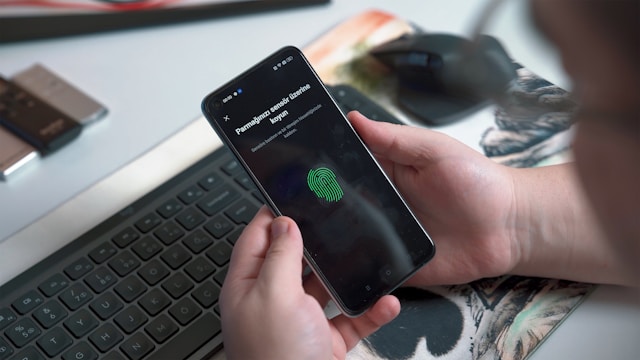
- Fingerprints: Analyzes the unique patterns of ridges and valleys on an individual's fingertip.
- Facial Recognition: Uses algorithms to map facial features and verify identity.
- Iris and Retina Scanning: Captures the intricate patterns of an individual's eye for identity verification.
- Voice Recognition: Identifies individuals based on voice patterns and tones.
Each method offers its own set of strengths and weaknesses in terms of accuracy, ease of use, and security.
Security Benefits
The primary appeal of biometrics lies in their potential to enhance security. Unlike passwords or PINs, which can be easily forgotten or stolen, biometric traits are inherently tied to the individual. This makes unauthorized access more challenging.
Real-World Scenarios
Consider a workplace scenario where an employee accesses a secure building. Traditionally, access might require a key card or code. By implementing facial recognition systems, entry can be streamlined without physical tokens that could be lost or stolen. Similarly, smartphones with fingerprint sensors allow users to unlock devices and authorize payments seamlessly.
Privacy Concerns
Despite the security advantages, biometric identification raises significant privacy issues. The permanent nature of biometric data means that if compromised, it cannot be 'changed' like a password. Additionally, the storage and processing of this sensitive data pose risks related to misuse and breaches.
Data Storage Practices
Organizations utilizing biometric systems must ensure robust data protection practices. Techniques such as encryption and on-device processing (where data does not leave the device) can mitigate some risks. For instance, Apple’s Touch ID system processes fingerprint data locally rather than transmitting it to external servers.
Navigating Trade-offs: Security vs. Privacy
When integrating biometric solutions, companies must carefully balance security enhancements with privacy safeguards. A practical approach involves conducting Privacy Impact Assessments (PIA) to identify potential privacy risks and implement necessary controls.
Checklist for Implementing Biometric Systems
- Assess the necessity: Determine if biometrics add substantial value over traditional methods.
- Ensure transparency: Inform users about data collection practices and usage policies.
- Implement robust encryption: Protect stored biometric data with strong cryptographic techniques.
- Regular audits: Conduct frequent evaluations to identify and rectify vulnerabilities.
The Future of Biometrics in Everyday Devices
The evolution of biometric technology continues to reshape the interaction between humans and machines. Innovations like multimodal biometrics, which combine multiple identifiers (e.g., fingerprint + face), promise enhanced security through layered authentication. As technology advances, so do the possibilities for seamless integration into various aspects of daily life.
Embracing Innovation Responsibly
To harness the full potential of biometrics, stakeholders must address both technological and ethical challenges proactively. By promoting transparency, ensuring user consent, and safeguarding data integrity, biometric systems can truly revolutionize digital security while respecting individual privacy rights.