The Evolution of Wearable Technology
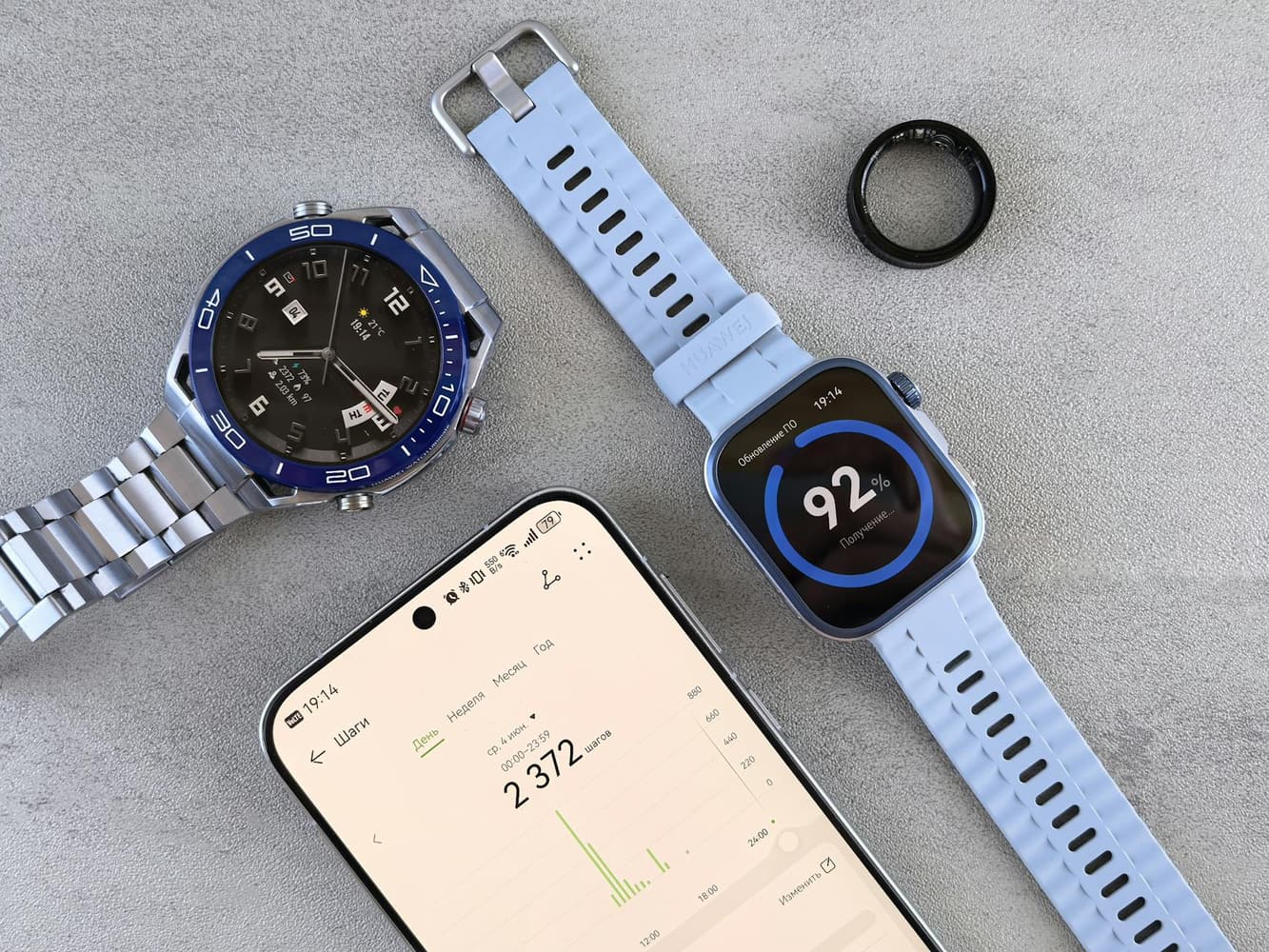
Wearable technology has advanced significantly over the past decade. Initially, it began with basic fitness trackers that could count steps and estimate calorie burn. Today, it encompasses sophisticated devices capable of monitoring heart rate variability, oxygen saturation, sleep patterns, and even detecting stress levels. This evolution is being driven by advances in biotechnologies like CRISPR and next-generation wearable sensors.
Biotechnologies: CRISPR's Role in Personal Health
CRISPR-Cas9, a groundbreaking gene-editing technology, has opened new possibilities for personalized medicine. By allowing precise modifications to DNA, it offers the potential to correct genetic defects and enhance human capabilities. While most applications are still in experimental stages, CRISPR holds promise for treating genetic disorders and improving athletic performance by targeting specific genes responsible for muscle growth and endurance.
Advanced Wearable Sensors
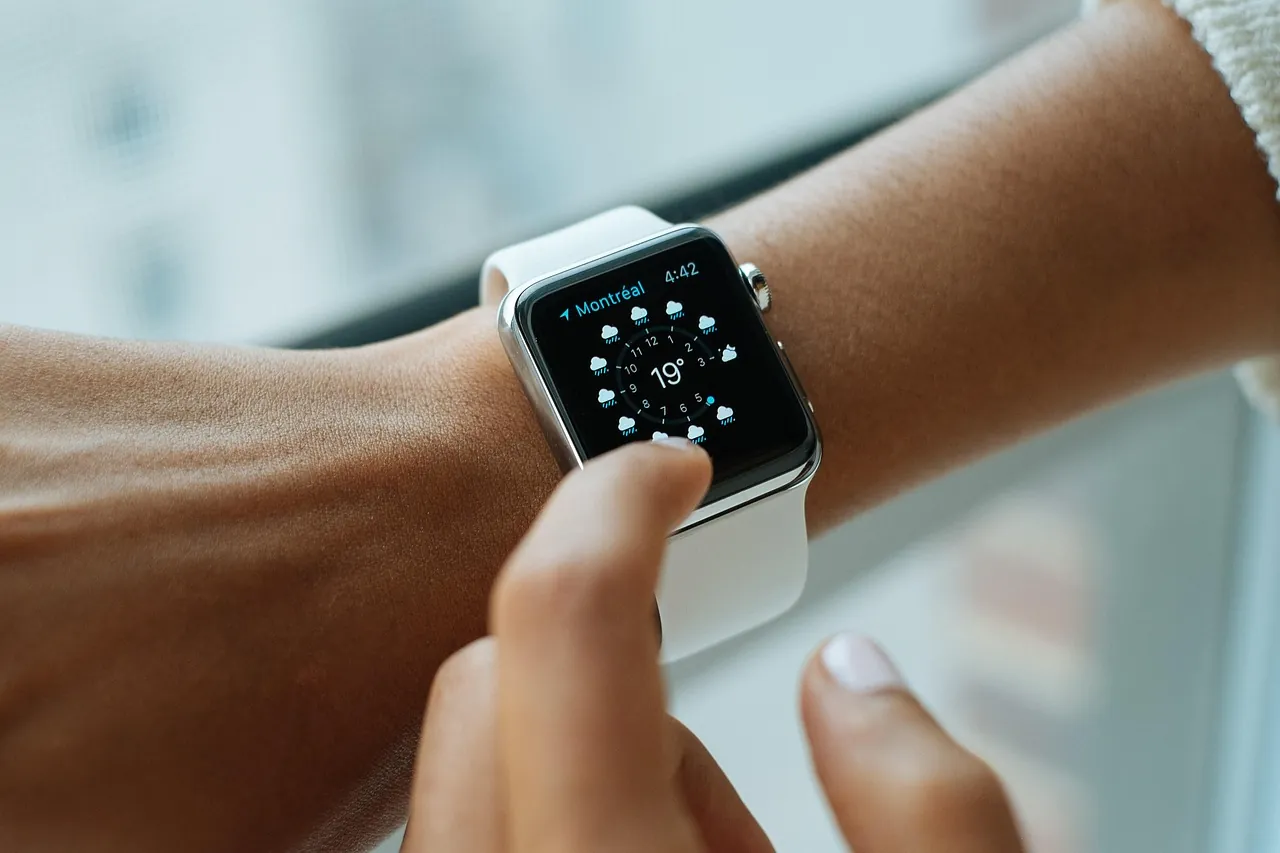
The latest generation of wearable sensors not only tracks physiological metrics but also offers actionable insights through integration with AI algorithms. Devices like smartwatches and fitness bands can now analyze complex data sets to provide users with health recommendations tailored to their unique biological markers.
- Heart Rate Variability (HRV) monitoring for stress management.
- SpO2 sensors for tracking blood oxygen levels, essential for athletes training at high altitudes.
- ECG features capable of detecting arrhythmias or other heart irregularities.
Maximizing Performance Through Wearables
For athletes and fitness enthusiasts, leveraging wearable tech can lead to significant improvements in performance. Here’s how:
Real-Time Data Collection
Wearables provide immediate feedback on various physiological parameters. This real-time data allows athletes to make on-the-spot adjustments to their workouts, optimizing training efficiency and minimizing the risk of injury.
Customized Training Programs
Many wearables come with AI-driven coaching apps that analyze historical performance data to recommend personalized training regimens. This customization ensures that individuals are training at the correct intensity and duration based on their current fitness levels and goals.
Improved Recovery
Recovery is as crucial as the workout itself. Wearable technology can aid recovery by tracking sleep quality and suggesting relaxation techniques such as guided breathing exercises when elevated stress levels are detected.
Ethical Considerations in Biohacking
While the benefits of wearable tech and biotechnologies like CRISPR are profound, they bring ethical concerns, especially regarding self-experimentation in biohacking communities.
The Risks of Self-Experimentation
Biohackers often push the boundaries of conventional health practices by experimenting with new technologies without medical supervision. This can lead to unintended health consequences, particularly when using advanced techniques like gene editing.
- Unregulated use of CRISPR may result in off-target effects, causing unintended genetic mutations.
- Lack of clinical oversight could lead to dangerous side effects or ineffective self-treatments.
Data Privacy Concerns
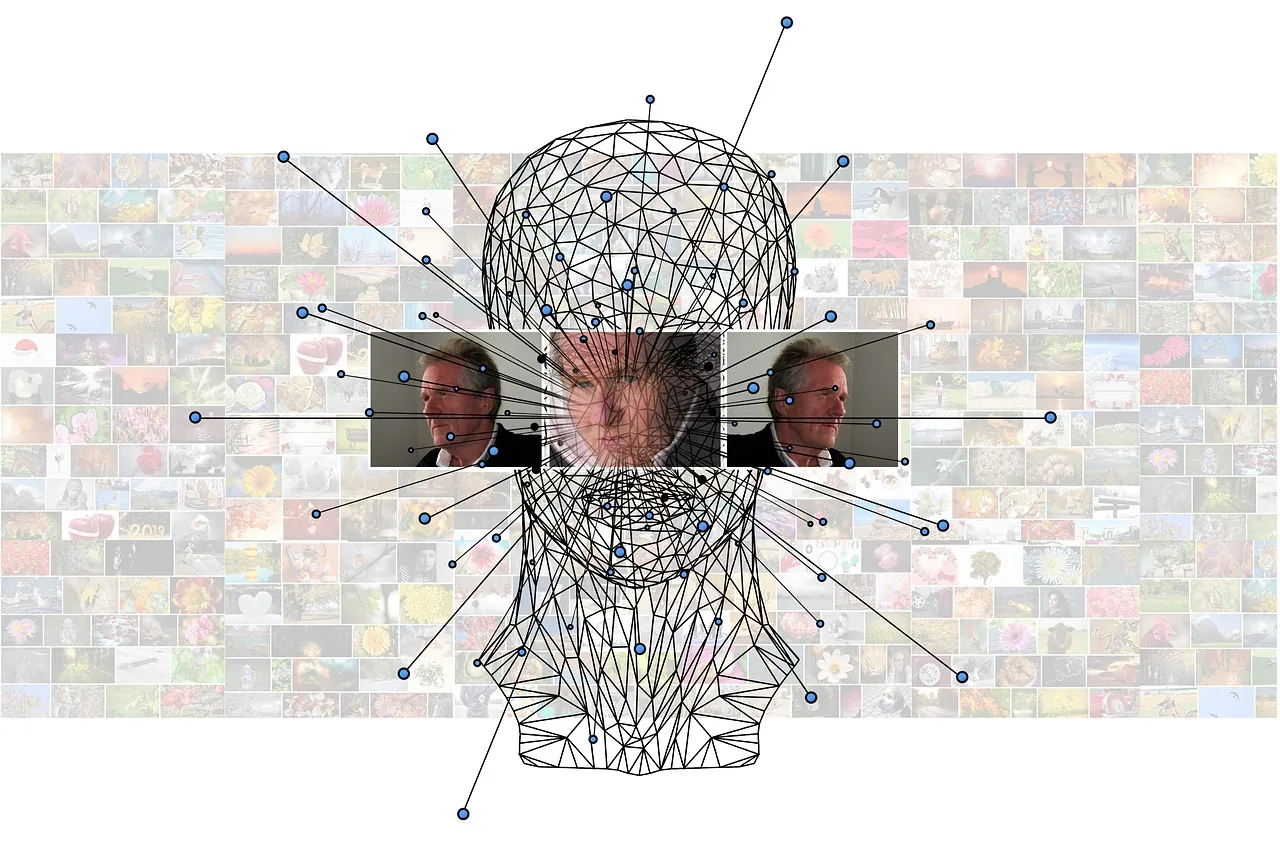
The collection and storage of biometric data raise significant privacy issues. Wearable devices often transmit sensitive health information to cloud servers, which could be vulnerable to breaches. Users must ensure they use secure platforms with robust data protection policies.
Balancing Innovation with Responsibility
To responsibly enjoy the benefits of wearable tech and biotechnologies, users should follow certain guidelines:
Checklist for Safe Use
- Consult healthcare professionals before starting any biohacking or genetic editing endeavors.
- Choose wearables from reputable manufacturers known for data security and accuracy.
- Regularly update device firmware and app software to protect against vulnerabilities.
While these technologies hold transformative potential for personal health management and performance enhancement, understanding their ethical implications and adhering to safe practices are crucial steps toward a future where technology truly enhances human potential without compromising health or privacy.