The Evolution of Health-Focused Wearables
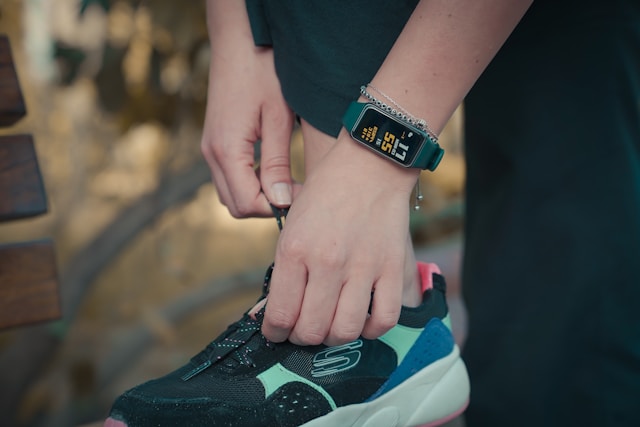
The wearable technology market has undergone significant transformations over the past decade. Initially dominated by fitness trackers, the market now features sophisticated devices capable of monitoring various health metrics in real-time. These innovations are driven by advances in sensor technology, data analytics, and connectivity.
In 2023, the global wearable healthcare devices market was valued at approximately $16 billion, and it is projected to reach $60 billion by 2030. This rapid growth underscores the increasing demand for devices that offer more than just basic activity tracking.
Improved Data Accuracy through Advanced Sensors
A critical factor contributing to the adoption of health-focused wearables is the enhancement in data accuracy. Modern devices integrate multiple sensors, such as ECG (electrocardiograms), SpO2 (blood oxygen levels), and even continuous glucose monitors, providing precise health insights.
For instance, companies like Apple and Fitbit have introduced wearables that can detect irregular heart rhythms with medical-grade accuracy. Such capabilities not only offer peace of mind to users but also enable early intervention, potentially saving lives.
Data Analytics and Machine Learning: Making Sense of Data
The vast amount of data collected by wearables can be overwhelming. However, advancements in data analytics and machine learning have made it possible to process and interpret this data efficiently. Algorithms can identify patterns and anomalies in a user's health metrics, offering personalized health recommendations.
Consider a scenario where a wearable detects an unusual pattern in a user's heart rate variability. The device can alert the user to take preventive action or consult a healthcare professional. This proactive approach is transforming healthcare from reactive to preventive, promoting healthier lifestyles.
Enhancing Patient Engagement through Gamification
Engagement is crucial for the sustained use of health-focused wearables. Gamification strategies have proven effective in encouraging users to interact with their devices more frequently. By turning health goals into games or challenges, users are motivated to achieve targets such as daily step counts or calorie burns.
- Leaderboard Challenges: Compete with friends or family to foster healthy competition.
- Achievement Badges: Earn virtual badges for reaching milestones.
- Personalized Coaching: Receive tailored advice and motivational messages based on performance.
These strategies not only improve user engagement but also contribute to better adherence to health objectives.
Telemedicine Integration: Expanding Healthcare Access
With the rise of telemedicine, wearables play a pivotal role in facilitating remote patient monitoring. These devices enable healthcare providers to monitor patients' health conditions remotely, reducing the need for frequent in-person visits.
For chronic disease management, wearables can continuously track vital signs and alert doctors to any concerning changes. This continuous monitoring helps in timely interventions, potentially reducing hospital admissions and healthcare costs.
Privacy Concerns: Balancing Convenience with Security
As wearables become more integrated into our daily lives, privacy concerns emerge as a significant challenge. These devices collect sensitive health data, necessitating robust security measures to protect user information.
The Trade-offs Involved
The convenience of accessing health data anytime and anywhere must be balanced against the risks of potential data breaches. Companies are investing in encryption technologies and secure cloud storage solutions to safeguard user data. However, users must also take precautions, such as regularly updating their device software and using strong passwords.
User Control over Data
Transparency about how data is used and shared is crucial. Wearable manufacturers must ensure that users have control over their data and are aware of their privacy rights. Providing options for users to easily manage permissions can enhance trust in these devices.
The Future of Health-Focused Wearables
The trajectory of wearable technology points towards further personalization and integration into broader healthcare ecosystems. As artificial intelligence continues to evolve, we can expect even greater insights from wearable data.
Innovations on the Horizon
- Biosensors: New biosensors capable of detecting biochemical changes at a molecular level could revolutionize disease detection and management.
- Non-Invasive Glucose Monitoring: Devices that can monitor glucose levels without needle pricks are being developed, providing comfort for diabetic patients.
- Mental Health Monitoring: Emerging technologies aim to assess mental well-being through physiological indicators such as heart rate variability and skin conductance.
These innovations promise to make healthcare more accessible and personalized than ever before, allowing individuals to take charge of their health proactively.
Conclusion: Navigating the Future
The journey of health-focused wearable technology is marked by remarkable progress in improving data accuracy, patient engagement, and integrating into healthcare systems. Despite the challenges surrounding privacy and data security, the benefits these devices offer are undeniable.
As technology continues to advance, it is essential for both manufacturers and users to remain vigilant about privacy issues while embracing the opportunities that wearable technology presents. By doing so, we can ensure that these devices contribute positively to our overall well-being and redefine the landscape of modern healthcare.