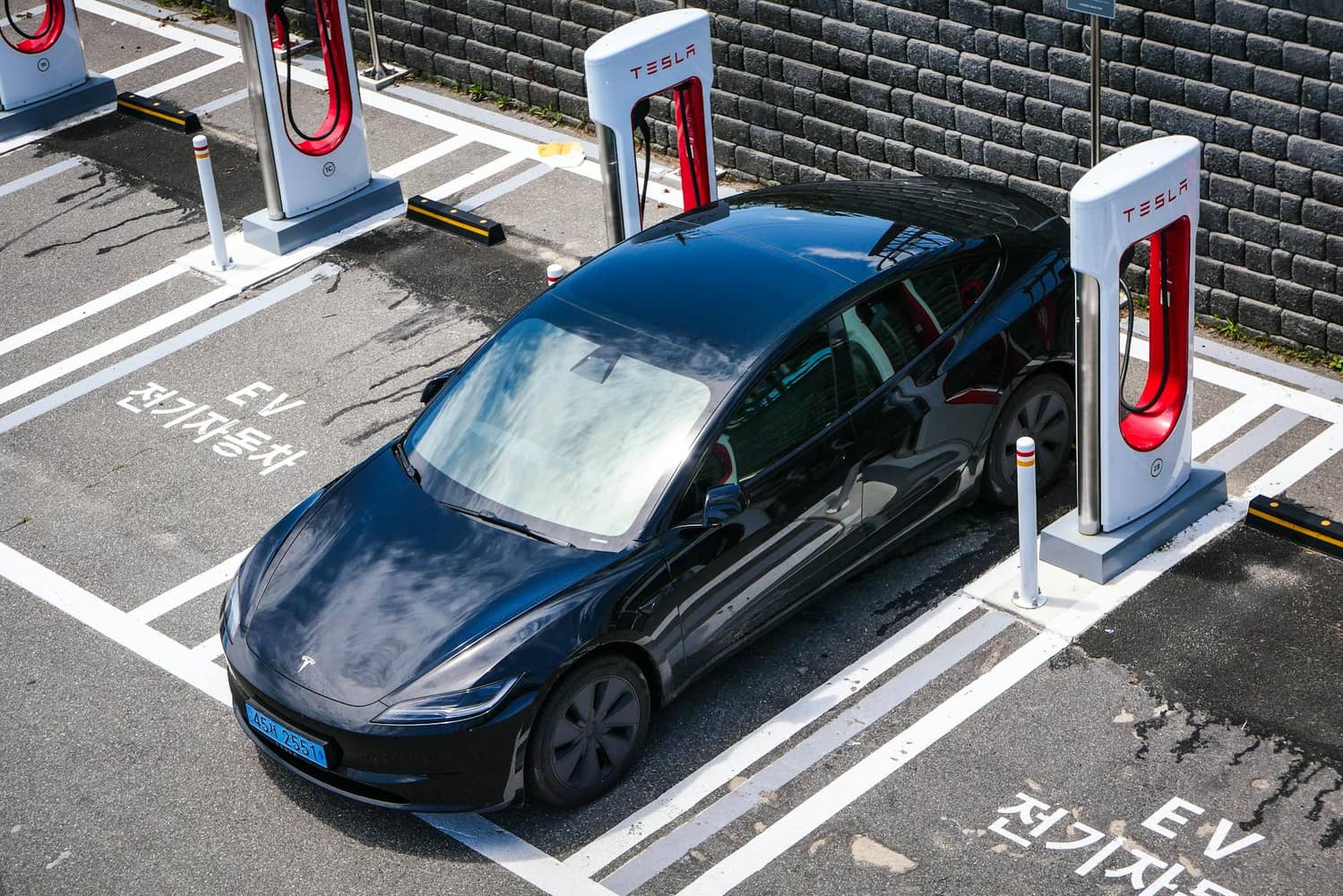
The Growing Importance of Electric Vehicle Charging Infrastructure
As the world increasingly shifts towards sustainable transportation, electric vehicles (EVs) have become more than a trend; they are a significant part of our future mobility solutions. However, as the adoption rate of EVs accelerates, the demand for a robust and efficient charging infrastructure becomes paramount. Key players in this space, including governments, private companies, and technological innovators, are continuously working on advancements that could redefine how we perceive and use EV charging stations.
Technological Innovations Driving Change
Fast Charging Technology
One of the most exciting advancements in EV charging technology is fast charging. Traditional chargers often require several hours to fully charge a vehicle, which can be inconvenient for drivers looking to recharge quickly. Fast chargers, like Tesla's Supercharger or ChargePoint Express, offer a solution by significantly reducing charging time to under an hour in many cases.
A practical example is the Porsche Taycan's 800-volt system that allows the car to add about 60 miles of range in just four minutes. This speed is a game-changer for long-distance travel and enhances the appeal of EVs for those accustomed to the convenience of gasoline refueling.
Wireless Charging Systems
Another significant innovation is wireless charging, which eliminates cables and plugs altogether. Companies such as WiTricity and Plugless are pioneering this technology by using electromagnetic fields to transfer energy between a pad on the ground and a receiver on the vehicle. Wireless charging is not only convenient but also promises to improve safety by reducing tripping hazards associated with cords.
However, wireless charging systems are currently less efficient compared to their wired counterparts. Ongoing research focuses on enhancing efficiency rates and making this technology more affordable for widespread deployment.
Integration with Renewable Energy
Integrating EV charging with renewable energy sources such as solar and wind is another trend reshaping the infrastructure landscape. The emergence of solar-powered charging stations, like those developed by Envision Solar with their 'EV ARC' units, demonstrates a commitment to reducing the carbon footprint of EVs even further.
This integration not only supports environmental sustainability but also enhances grid resilience by mitigating demand spikes during peak periods.
Key Players in EV Charging Infrastructure
Several key players are influencing the development and deployment of EV charging infrastructure:
- Tesla: Known for its vast network of Superchargers, Tesla remains at the forefront of charging technology, consistently expanding its network globally.
- ChargePoint: As one of the largest public EV charging networks, ChargePoint offers a wide range of hardware and software solutions to accommodate various needs.
- Shell Recharge: With an emphasis on fast-charging stations at their existing fuel retail sites, Shell aims to leverage its extensive network to support EV adoption.
A Practical Framework for Stakeholders
For stakeholders looking to evaluate or expand their EV charging station deployment strategies, several practical considerations must be addressed:
Site Selection and Accessibility
The location of a charging station is critical. Ideal sites include areas with high traffic, such as shopping centers or highway rest stops, which can maximize station usage and visibility. Furthermore, accessibility features like clear signage and easy payment methods contribute to user satisfaction.
Scalability
A scalable infrastructure can adapt to increased demand without requiring major overhauls. Stakeholders should consider modular systems that allow additional chargers or stations to be added easily.
Technology Compatibility
Ensuring that charging stations are compatible with various vehicle models and technologies is essential. Stations should support both common connectors like CCS and CHAdeMO while being adaptable to future advancements in battery technologies.
Cost Management
Cost-effectiveness is another crucial factor. While initial installation can be expensive, long-term operational costs can be reduced by selecting energy-efficient technologies and integrating smart grid solutions that optimize electricity usage based on real-time data analytics.
Environmental Impact
Sustainability should be at the heart of any deployment strategy. Utilizing renewable energy sources for powering stations and using eco-friendly materials in construction can minimize environmental impact.
The Future of EV Charging Technology
The future looks promising as technological advancements continue to evolve rapidly. Ultrachargers capable of replenishing hundreds of miles in minutes are on the horizon, while smart grids promise even greater efficiency and reliability. As these technologies mature, the gap between traditional fueling stations and electric chargers will diminish, paving the way for a seamless transition to a sustainable transportation ecosystem.
Conclusion
Understanding and embracing the advancements in electric vehicle charging technology is crucial for stakeholders across industries. By leveraging cutting-edge innovations, maintaining a focus on sustainability, and strategically deploying infrastructure, we can create a more efficient and user-friendly network that supports the growing number of electric vehicles on our roads.