The Need for IPv6: A Prelude to Change
The Internet Protocol (IP) forms the backbone of modern
digital communications, and its transition from IPv4 to IPv6
is nothing short of a necessity. With IPv4 addresses nearing
exhaustion due to the exponential growth of internet-connected
devices, businesses are now confronted with the inevitability
of embracing IPv6. While the technical advantages of IPv6,
such as a vastly larger address space, have been
well-documented, the financial implications remain a
significant consideration for enterprises.
IPv4 provides approximately 4.3 billion addresses, which was
deemed sufficient during its inception. However, the explosion
of mobile devices, IoT (Internet of Things) gadgets, and an
ever-expanding digital ecosystem has led to a shortage.
Consequently, transitioning to IPv6 is not just a technical
upgrade but a strategic business decision that impacts
operational costs, future scalability, and competitive
positioning.
Cost Implications of IPv6 Transition
Switching from IPv4 to IPv6 involves several cost components.
These include infrastructure upgrades, workforce training, and
potential downtime during the transition phase. While these
costs can be substantial, they vary significantly depending on
the size and current technological state of the business.
Infrastructure Upgrades
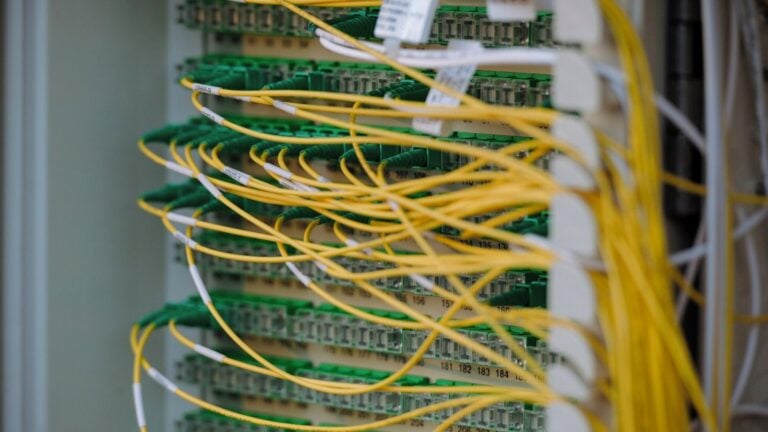
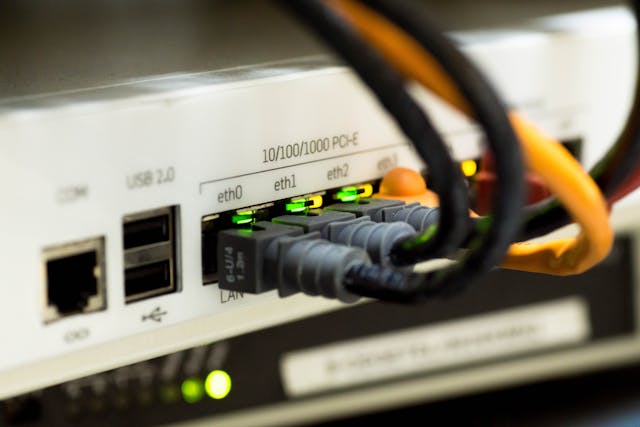
To support IPv6, existing network hardware like routers,
switches, and firewalls must be either upgraded or replaced.
This can be a costly endeavor for organizations with extensive
IT infrastructure. Additionally, software systems and
applications need to be examined for IPv6 compatibility.
Although many modern systems support dual-stack
configurations, legacy systems often require more profound
modifications or complete overhauls.
Example: A large corporation with global operations
may face multi-million dollar expenses in upgrading their
hardware and software stack. However, leveraging dual-stack
systems initially can mitigate some costs by allowing IPv4 and
IPv6 to run concurrently during the transition phase.
Training and Skill Development
The transition to IPv6 also necessitates adequate training for
IT personnel. Network administrators need to understand IPv6’s
intricacies and potential security implications. Investing in
training programs ensures a smoother transition and equips the
workforce to maintain and troubleshoot the new network
efficiently.
-
Workshops and online courses specifically focused on IPv6
are advisable. -
Cross-training existing staff rather than hiring new experts
can reduce costs.
Potential Downtime and Productivity Loss
The shift from IPv4 to IPv6 could lead to potential downtime
or reduced productivity as systems are being configured and
tested. Mitigating this through detailed transition planning
and scheduling changes during off-peak hours can help minimize
disruption.
Benefits of IPv6 Transition: Beyond Immediate Costs
Despite initial expenses, the long-term benefits of
transitioning to IPv6 are compelling. They extend beyond just
addressing space and into areas of improved performance,
security enhancements, and future-proofing business
operations.
Enhanced Scalability
IPv6 provides an almost limitless address space, which
facilitates seamless connectivity for billions of devices. As
businesses expand their IoT capabilities and adopt more
internet-enabled devices, having an adequate supply of IP
addresses becomes crucial.
Use Case: For tech companies pioneering smart
city solutions or extensive IoT networks, IPv6 is
indispensable for scaling operations without constraints
imposed by limited IP addresses.
Improved Network Performance
IPv6 simplifies packet processing by eliminating the need for
Network Address Translation (NAT). This leads to more
efficient routing and potentially lower latency, enhancing
overall network performance—especially beneficial for
industries reliant on real-time data transmission such as
financial services and media streaming.
Security Advancements
While security was not a core focus in the development of
IPv4, IPv6 integrates IPsec as a fundamental component. This
built-in security feature offers encrypted communication
channels across networks. However, businesses must still
implement robust security practices tailored for IPv6
environments.
Long-Term Strategic Considerations
The decision to transition to IPv6 should align with an
organization’s long-term strategic goals. Companies need to
weigh their current technological needs against future
requirements, considering both direct financial impacts and
broader strategic benefits.
Competitive Advantage
Early adoption of IPv6 can position businesses ahead of
competitors who delay migration. This forward-thinking
approach signals innovation readiness and can attract
customers looking for partners who embrace cutting-edge
technology.
Sustainability and Future-Proofing
As digital ecosystems evolve, remaining stuck on outdated
infrastructure can hinder growth. Transitioning to IPv6
positions businesses for sustainability by ensuring
compatibility with emerging technologies and standards.
Conclusion: Weighing Costs Against Benefits
The financial implications of transitioning to IPv6 are
multifaceted, encompassing immediate infrastructure costs and
longer-term strategic gains. While the initial investment
might seem daunting, the benefits of enhanced scalability,
performance improvements, and increased security make it a
worthwhile venture for most businesses aiming for future
growth.
The choice isn’t merely between staying with IPv4 or moving to
IPv6—it’s about ensuring that an organization’s digital
infrastructure aligns with its growth trajectory. By embracing
IPv6 today, businesses not only solve current limitations but
also unlock new opportunities in an increasingly
interconnected world.